
Williamsburg Garage Door Guide
Why Springs Break in Williamsburg's Cold Snaps
Why torsion springs on older Williamsburg homes fail in cold snaps, what the 1960s-70s hardware looks like, and what actually drives the cost of this repair.
- Licensed & Insured
- Same-Area Service Calls
- Upfront Pricing
What to Look At First
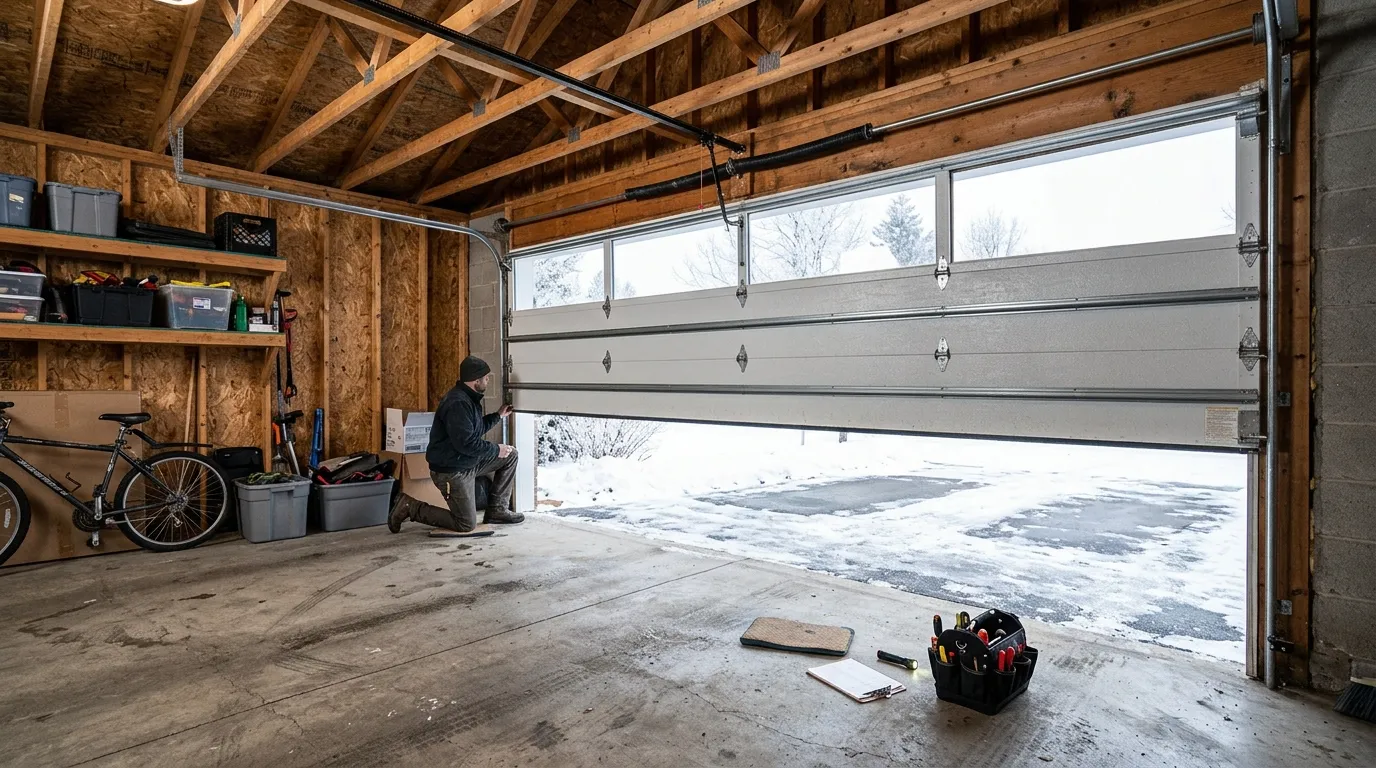
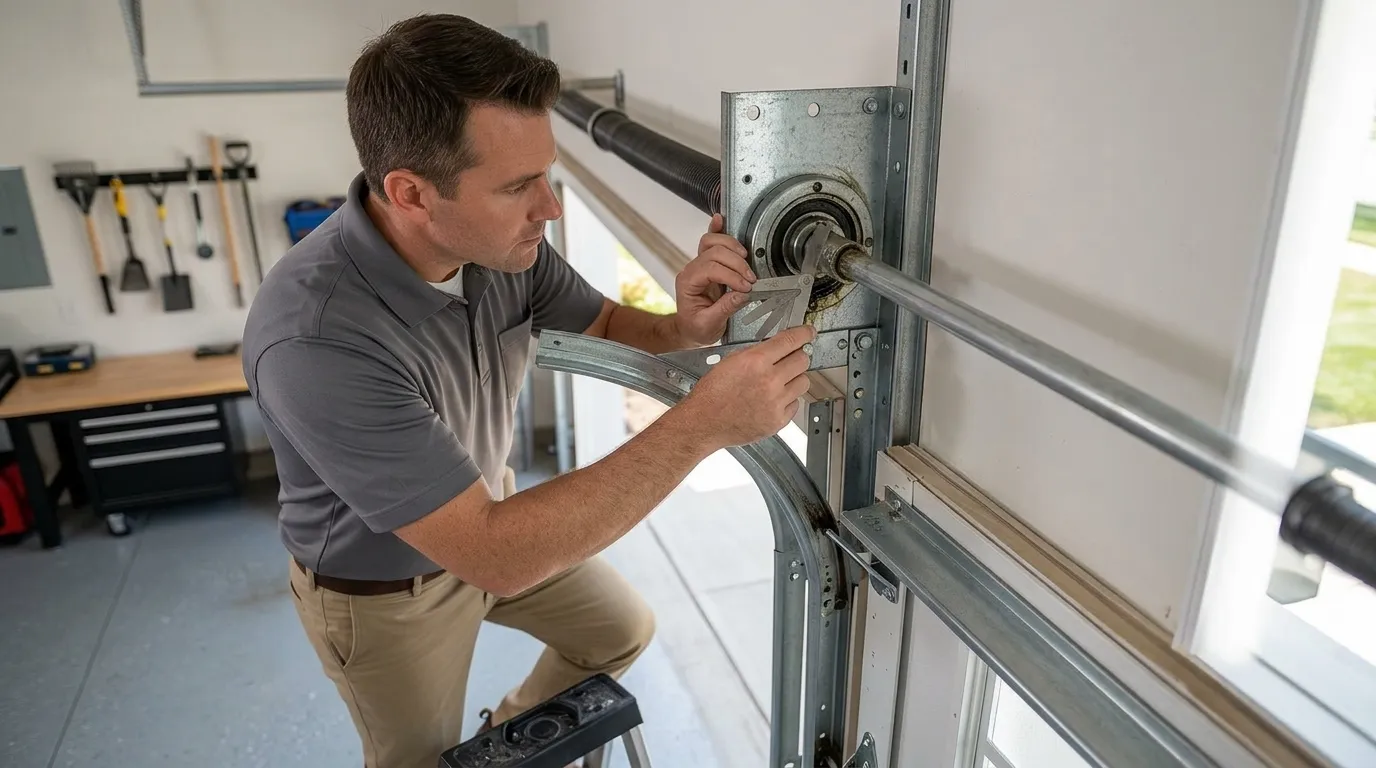
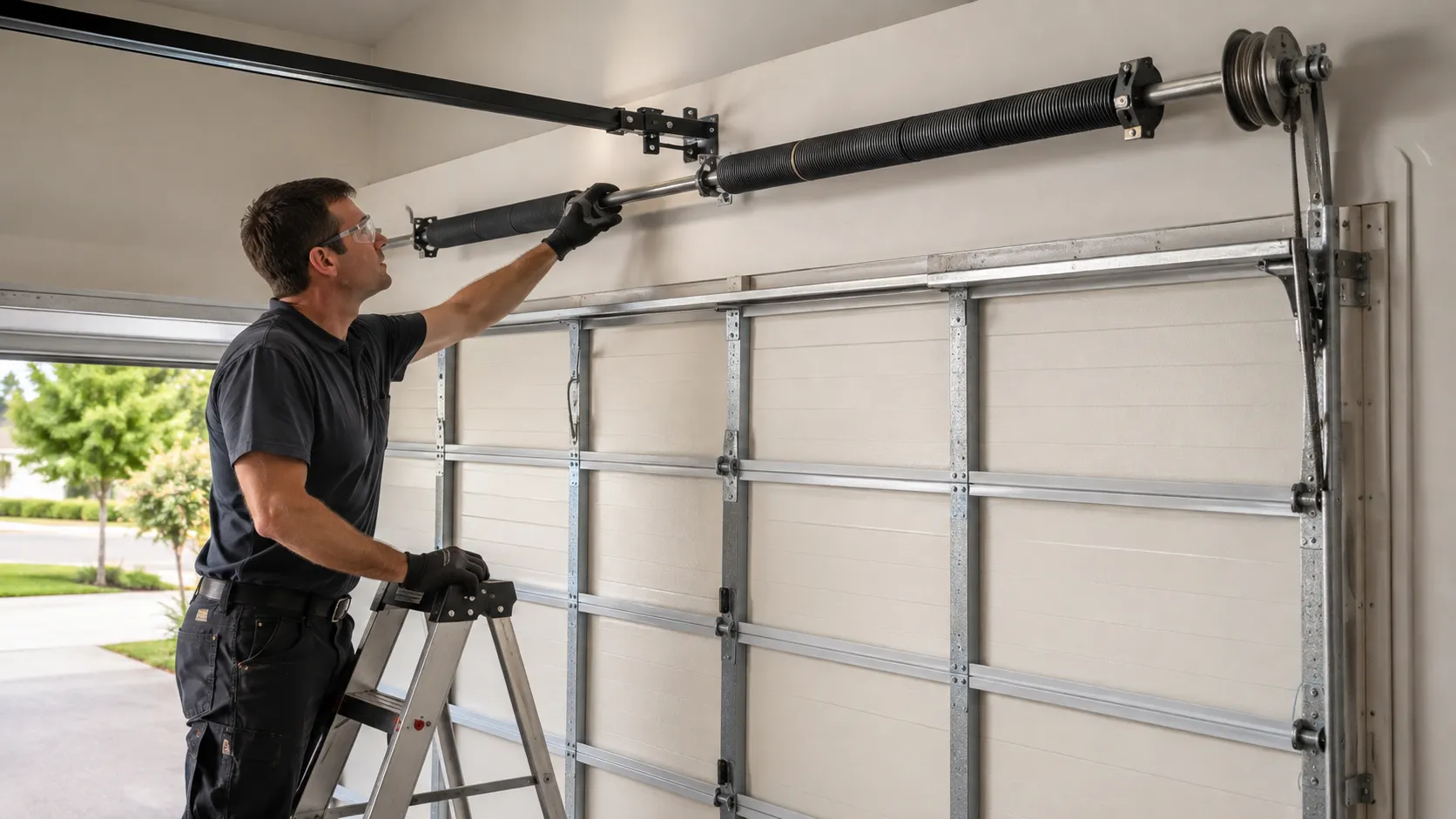
Before you call anyone, look at the spring itself. Most houses in this service area went up between 1948 and 1983, with the bulk of the stock dating to the 1960s and 70s, and many of those still carry the original torsion or extension hardware bolted to the same brackets the builder used. If you see a gap in the coil - a clean break, not just rust - that spring is done and the door isn't safe to run on the opener alone.
Check the cable too. On the older extension setups common in this area, a snapped spring often takes a fraying cable with it, and that's a second part to replace, not just one. If the door feels heavier than it used to, or drops the last foot instead of gliding, the spring is losing tension even before it fully breaks.
Don't try to wind or unwind a torsion spring yourself. That bar is holding more force than it looks like, and on hardware this old, the winding cones can be worn thin enough to let go without warning. Take a photo of the spring, note whether the door is torsion (bar across the top) or extension (springs alongside the tracks), and have that ready before you call.
The Problem
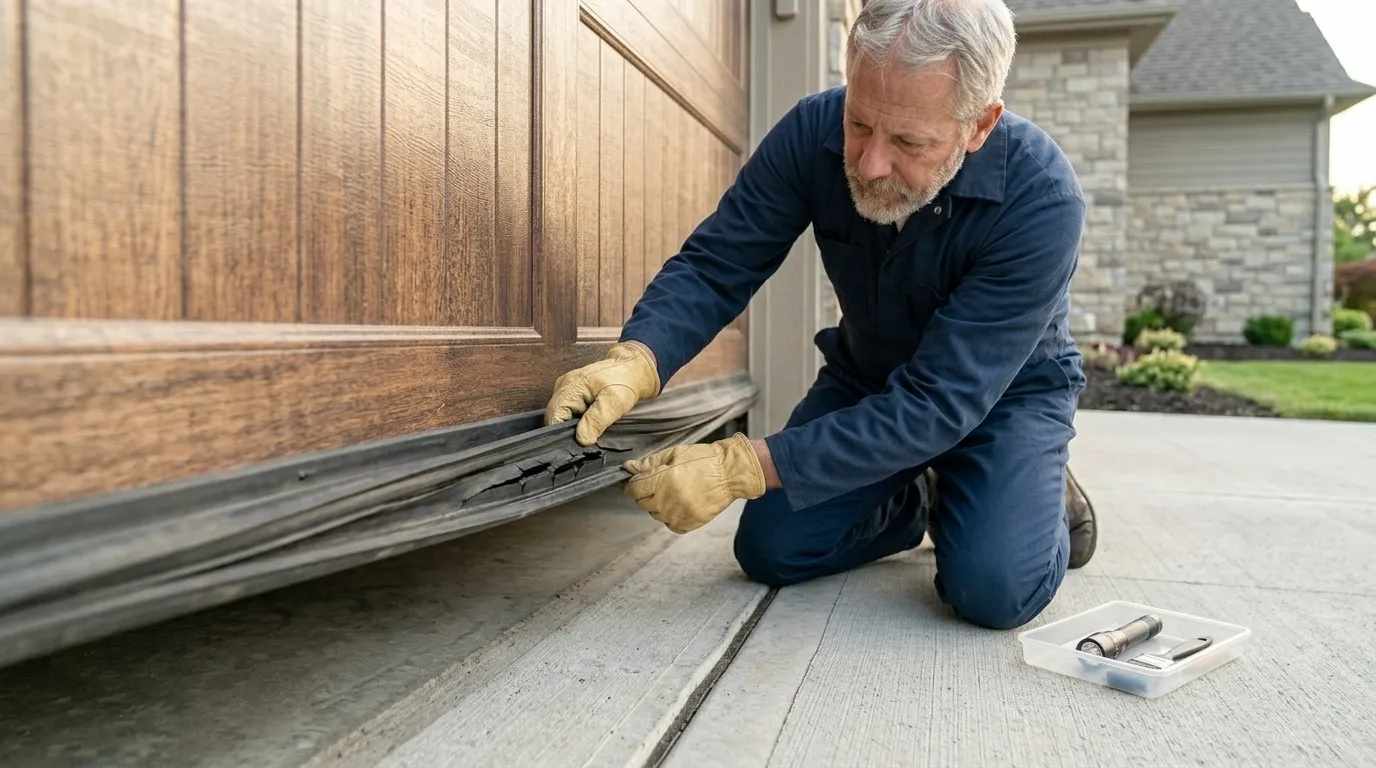
Steel contracts when it gets cold, and a torsion spring that's already fifteen or twenty years past its expected cycle count is closer to its breaking point than a new one. In houses built during the 1948-1983 run that makes up most of this area's stock, that spring has usually never been replaced. It's the same coil that went up when the house was framed.
Add a cold morning, a door that got opened and closed twice before the metal warmed up, and that's often the exact moment it lets go. This isn't a defect in the door. It's forty-plus years of cycles finally catching up with a piece of hardware nobody thinks about until it snaps.
The failure itself is usually sudden and loud, and if nobody's standing under the door it's just an inconvenience. If someone is, it's a real hazard - a broken spring on a double door can drop 150 pounds or more with no warning.
What Local Conditions Do
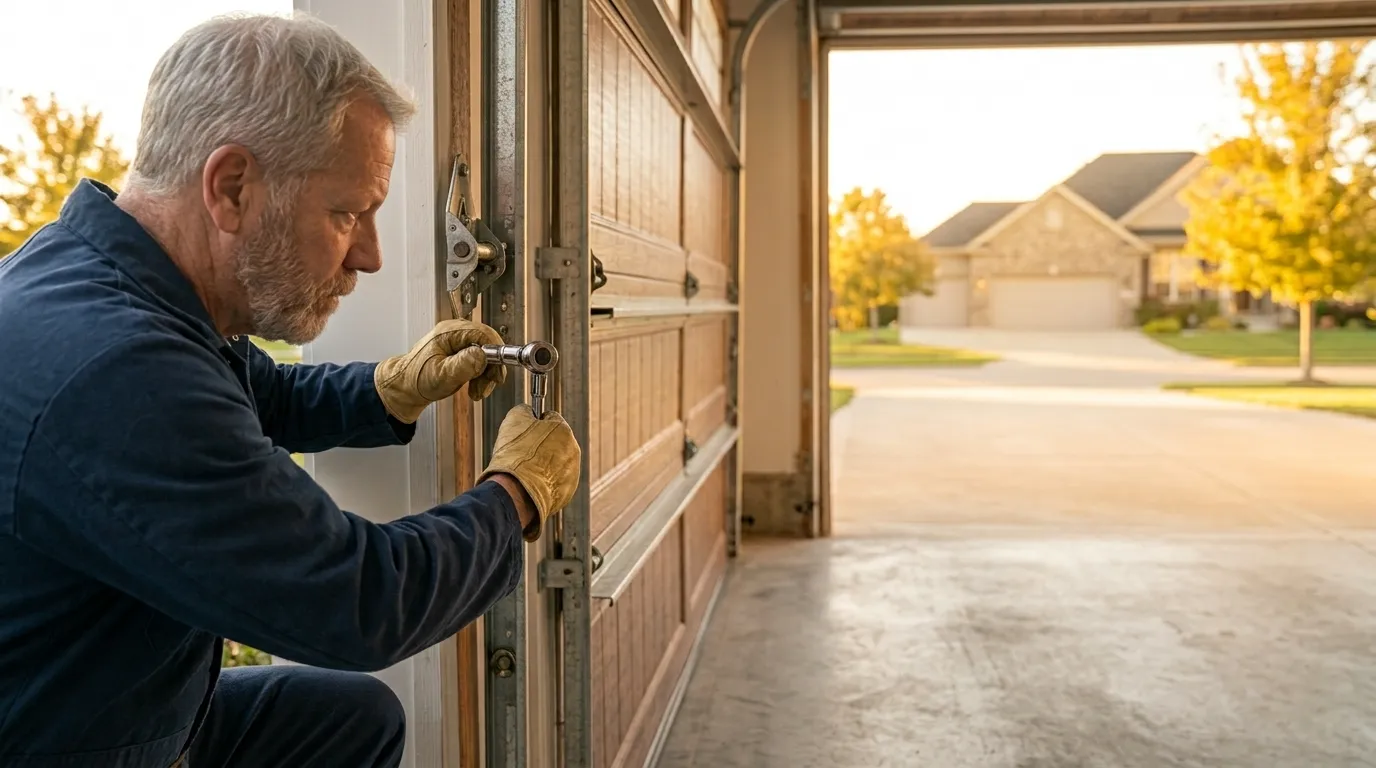
Williamsburg sits in a cold-moderate climate band, which means winters here don't get brutal, but they're consistent enough to matter. That daily swing between a cold night and a milder afternoon is what stresses metal that's already fatigued. It's not one hard freeze that breaks a spring - it's years of that swing acting on hardware from the 1960s-70s that was never built with a service schedule in mind.
The same pattern plays out across the wider area. Yorktown sits about 11 miles off, Gloucester Point 12, Surry and Rushmere and Claremont all in the same 11-to-14-mile range, and Hayes 11 miles east - close enough that the same cold fronts moving through hit every one of these towns' aging garage hardware the same week. It's why late fall and early winter are when this kind of call comes in the most, and why a spring that's been fine for years can go without any obvious warning sign.
The Cost of This Job
We don't have a set price to quote here without seeing the door, so we won't make one up. What actually drives the cost on a job like this is whether it's a single spring or a matched pair, whether the cable went with it, and whether the winding cones and bearings on that old torsion bar are worn enough to need replacing too - which is common on hardware from the 1960s-70s stock that makes up most of this area. Across the service area's 5,281 households, roughly 3,041 are owner-occupied houses, and a lot of those are sitting on exactly that vintage of hardware.
With a median household income of $74,009 here, most owners want the repair done right without being sold a full opener replacement they don't need, and in most cases a spring swap on original hardware is a real fix, not a stopgap. The honest limitation: if the torsion bar itself is bent or the drums are cracked, that's a bigger job, and we'll tell you before we start rather than after.
How We Can Help
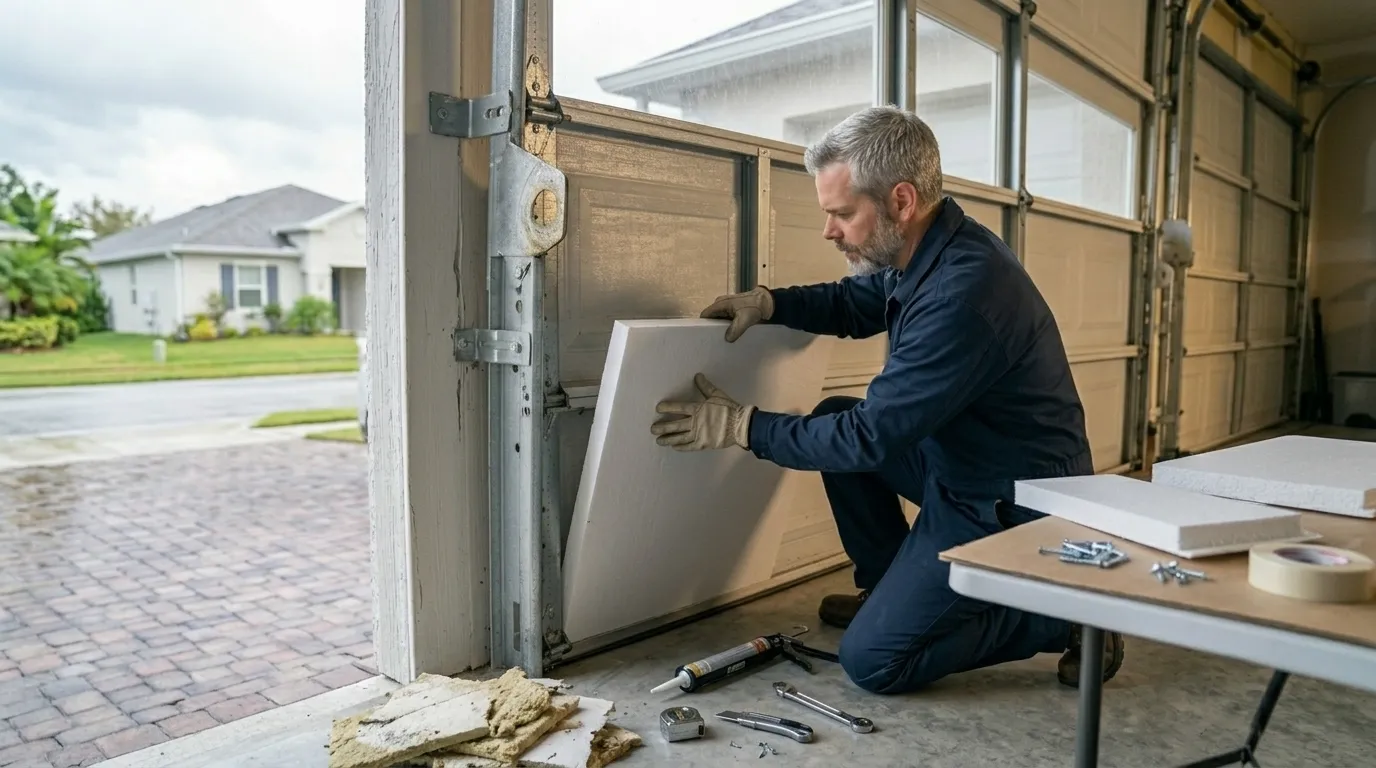
Garage Door Repair
Springs, cables, tracks, rollers, and openers fixed by a tech who explains the problem before touching anything.
Learn more →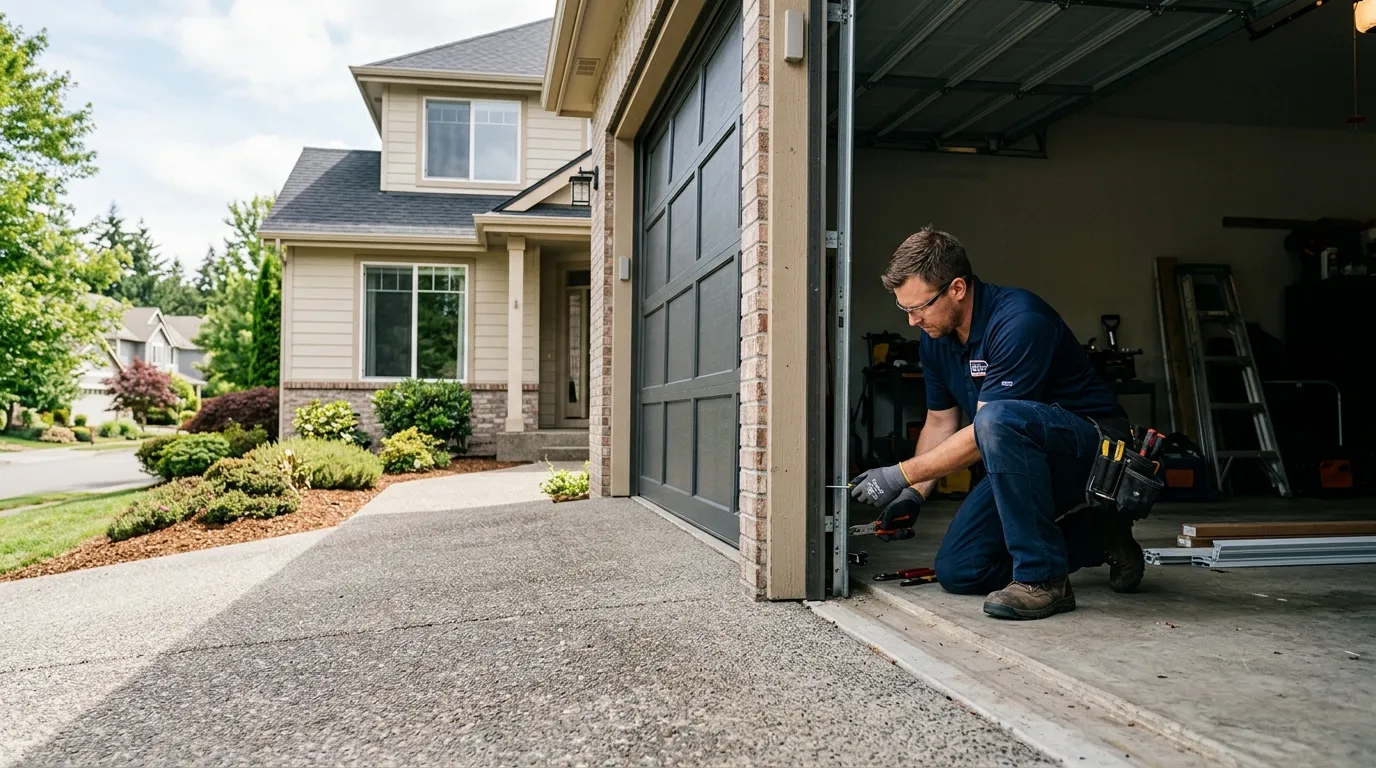
Garage Door Installation
New sectional doors sized and installed for the housing stock actually built in this area.
Learn more →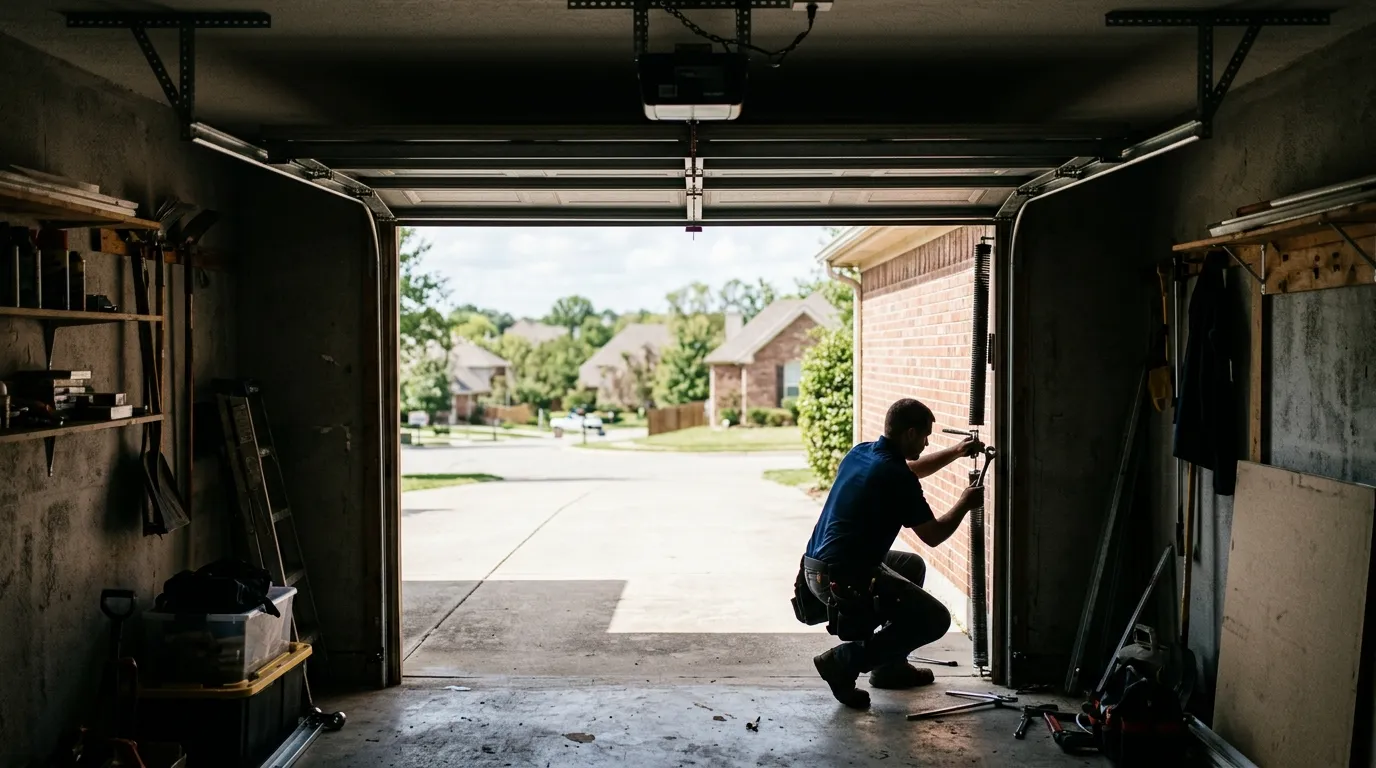
Garage Door Service
Tune-ups, lubrication, and safety checks that catch a small problem before it becomes a service call.
Learn more →Frequently Asked Questions
Why did my spring break on a cold morning and not during summer?
Cold makes steel less forgiving. A torsion spring that's already worn from decades of cycles is more likely to fail on a cold morning when the metal is stiff, especially after the first open-close of the day. It's the accumulated fatigue that does the damage - the cold just picks the moment.
Is my garage door hardware original to the house?
If your house was built between 1948 and 1983, which covers most of this area, there's a good chance the spring hardware has never been swapped. Torsion bars and brackets from that era were built to last, but not indefinitely - forty-plus years of daily cycles wears any spring down eventually.
Can I drive with a broken spring until someone gets out to look at it?
Don't run the opener on a broken spring - the motor isn't built to lift the door's full weight alone and can burn out, and the door can drop fast if the second spring is also close to failing. Leave it closed and call for a look before using it again.
Have a Door That Needs a Second Opinion?
Call and describe what it is doing - we will tell you what it likely is.