
Williamsburg Garage Door Guide
What Williamsburg's Older Housing Stock Means for Your Garage Door
Most Williamsburg homes date to 1948-1983, before modern insulation codes - here's what that means for your garage door repair, replacement, and upkeep.
- Licensed & Insured
- Same-Area Service Calls
- Upfront Pricing
What to Look At First
Most houses on this side of Williamsburg went up between 1948 and 1983, with the bulk from the 1960s and 70s. That matters more than people think when it comes to garage doors. Houses from this era were framed before insulation codes tightened, and the doors that shipped with them were single steel skin panels - no foam core, no thermal break.
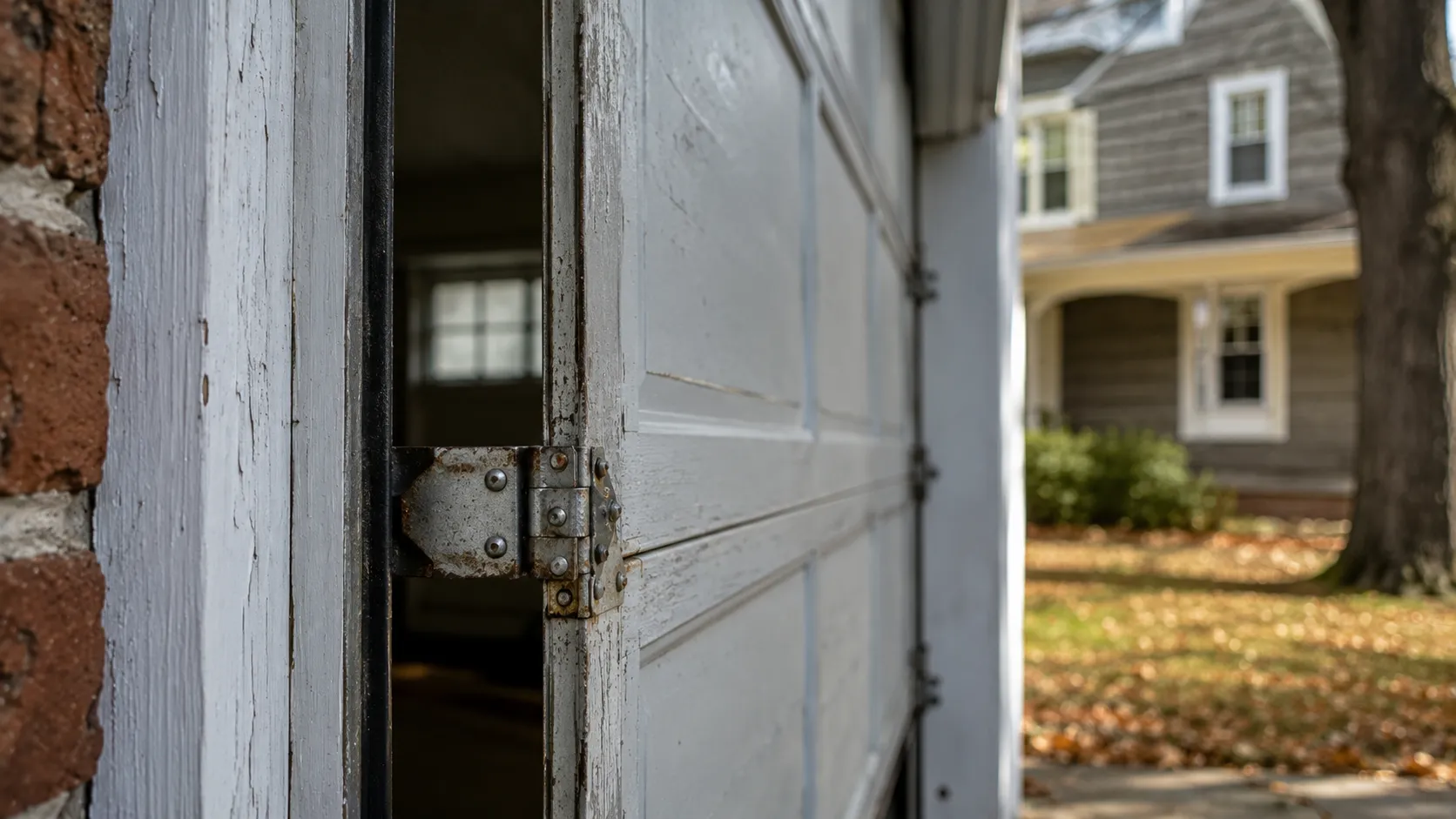
If your door still has its original panel, tap it. If it sounds hollow and feels cold to the touch, that's the original. First thing to check: the track.
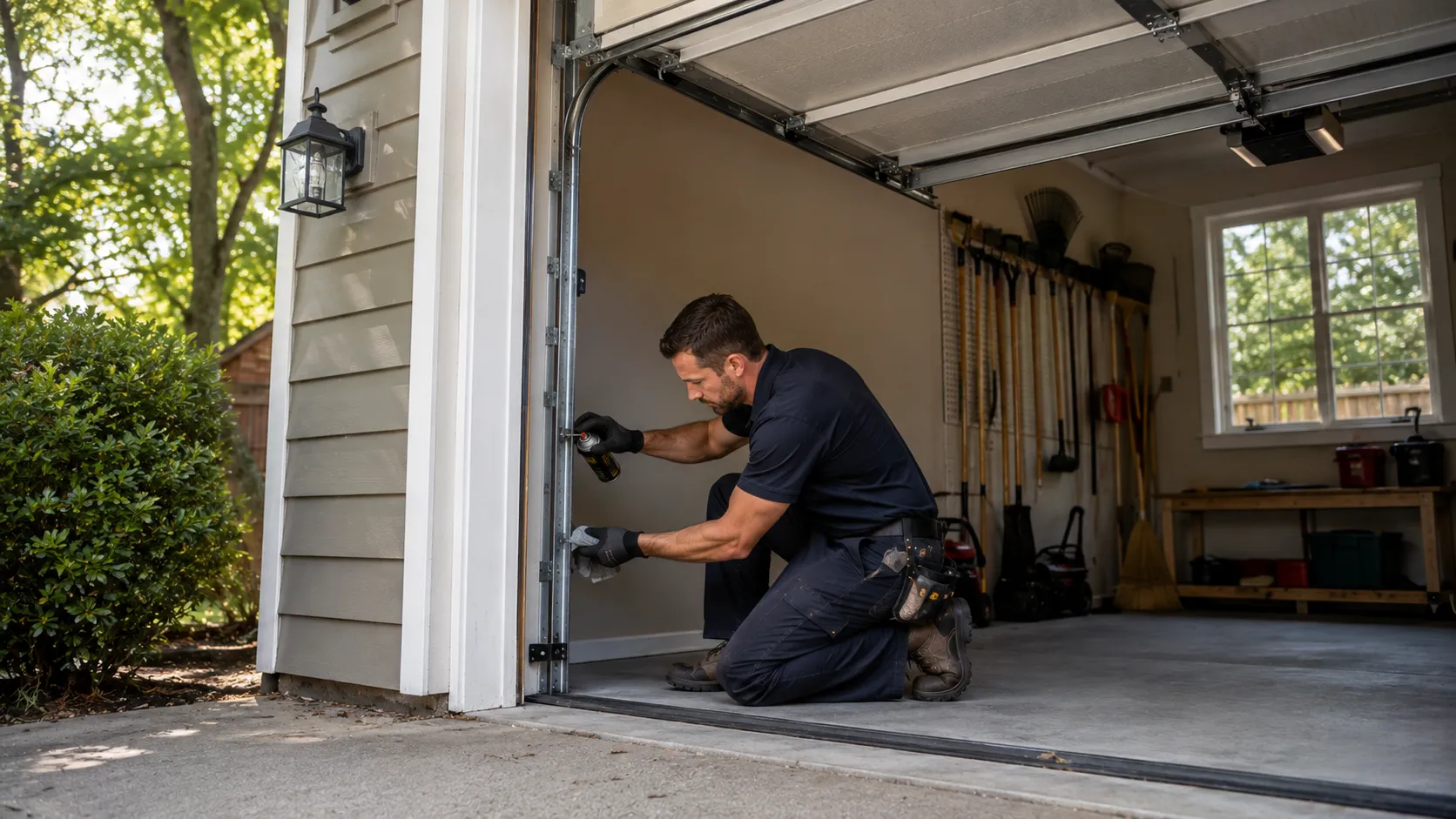
Light-gauge steel track from this period often wasn't built to carry the heavier insulated doors people install today, so retrofits sometimes need a track swap even when the opener and springs are fine. Second: hardware fasteners. Homes from the 60s and 70s used lag screws into jambs that have shrunk over sixty-plus years, so bolts tight in 1970 are loose now - that's often the real cause of a door that rattles or drifts, not the springs.
Across the service area, roughly 3,041 of the 5,281 households own their houses outright rather than renting, which is part of why so much of this original hardware is still in place - owners tend to keep an old door running rather than replace it on a schedule.
The Problem
A door engineered before 1983 was built to a different set of assumptions about weight, moisture, and cycling. A single-skin steel panel from that era weighs less than today's insulated doors, which means the torsion spring sized for it is wound to a lighter spec. Swap in a heavier insulated door without re-sizing the spring and you get a door that won't hold at half-open, or an opener straining every cycle because it wasn't built to lift that new weight either.
On the older stock common on this side of town, we also see jambs that were framed square decades ago and have since settled, so a door that opens fine in July binds in January when the framing contracts. None of this shows up as one clean failure - it's parts built for a lighter, thinner door working against a structure and a load that have both shifted since the day they were installed.
What Local Conditions Do
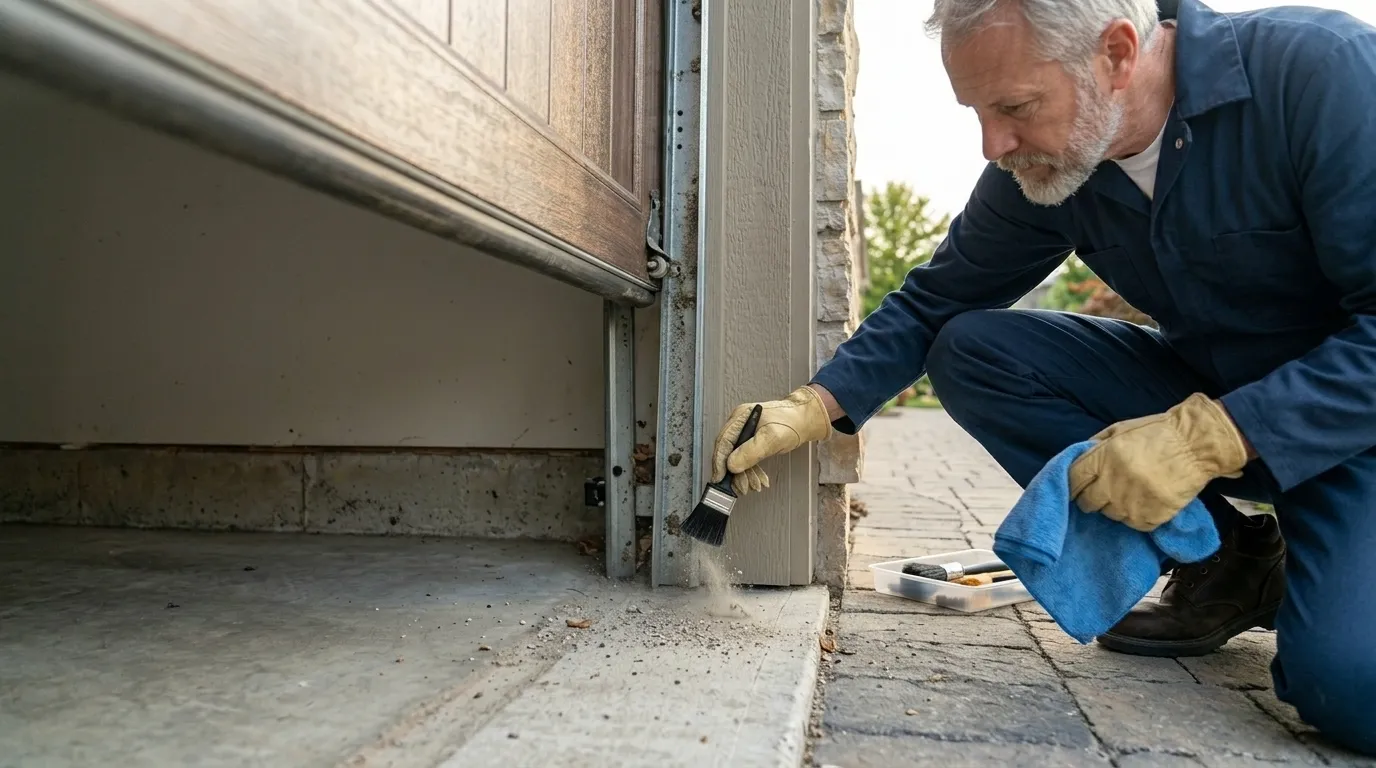
Williamsburg sits in a cold-moderate climate band, not the deep freeze further inland, but enough temperature swing through the year to matter for steel and springs. On an uninsulated single-skin door - common on houses built before 1983 - you get condensation on the inside face on cold mornings, which is what drives the rust lines along the bottom panel and hinges on original doors from this era. That moisture cycle also stiffens up torsion springs made from the same steel; they still turn, but the play in the hardware widens a little every year until a cable jumps its drum or a spring finally lets go, usually on the first cold snap after a summer of the door barely moving.
None of this is dramatic weather - no named storm needed. It's a moderate climate doing sixty years of freeze-thaw and condensation on doors and hardware that were never sealed for it in the first place.
The Cost of This Job
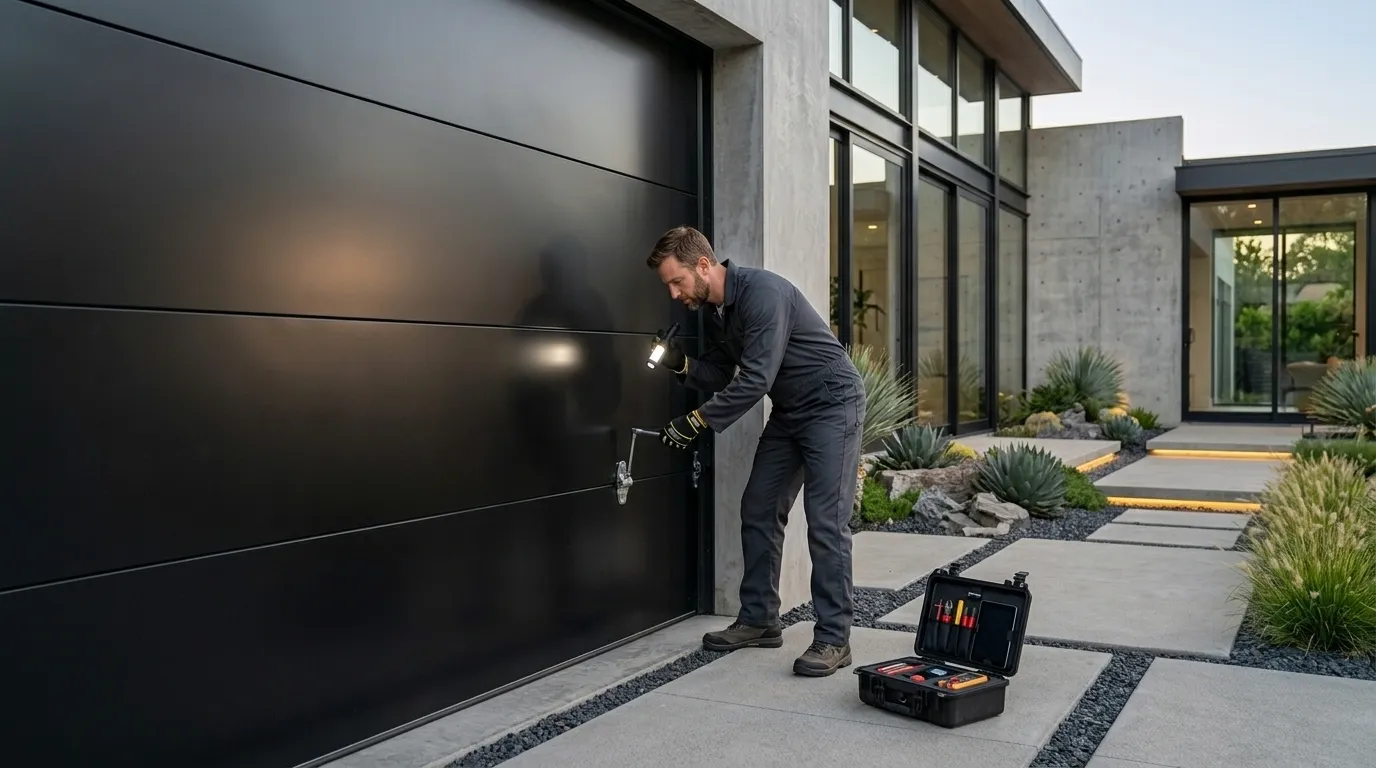
We can't quote a number here without seeing the door, and on houses this age the range is wide - a repair on original hardware can be straightforward, or it can turn into reframing a jamb the door was never quite plumb against to begin with. What we can tell you is what drives cost up on this housing stock specifically: doors from the 1948-1983 era were often built to openings sized before today's standard door widths were common, so a straight swap-in replacement sometimes needs custom framing rather than an off-the-shelf unit. That's not true everywhere - newer construction usually takes a stock door without modification.
With median household income here at $74,009, most owners weigh repair against replacement carefully rather than defaulting to a full swap. One honest note: if your springs, track, and opener are all original and one part fails, we'll tell you when replacing the whole door costs less down the road than repairing a system where every other part is close behind it. We won't push replacement on a door that still has good years left in it.
How We Can Help
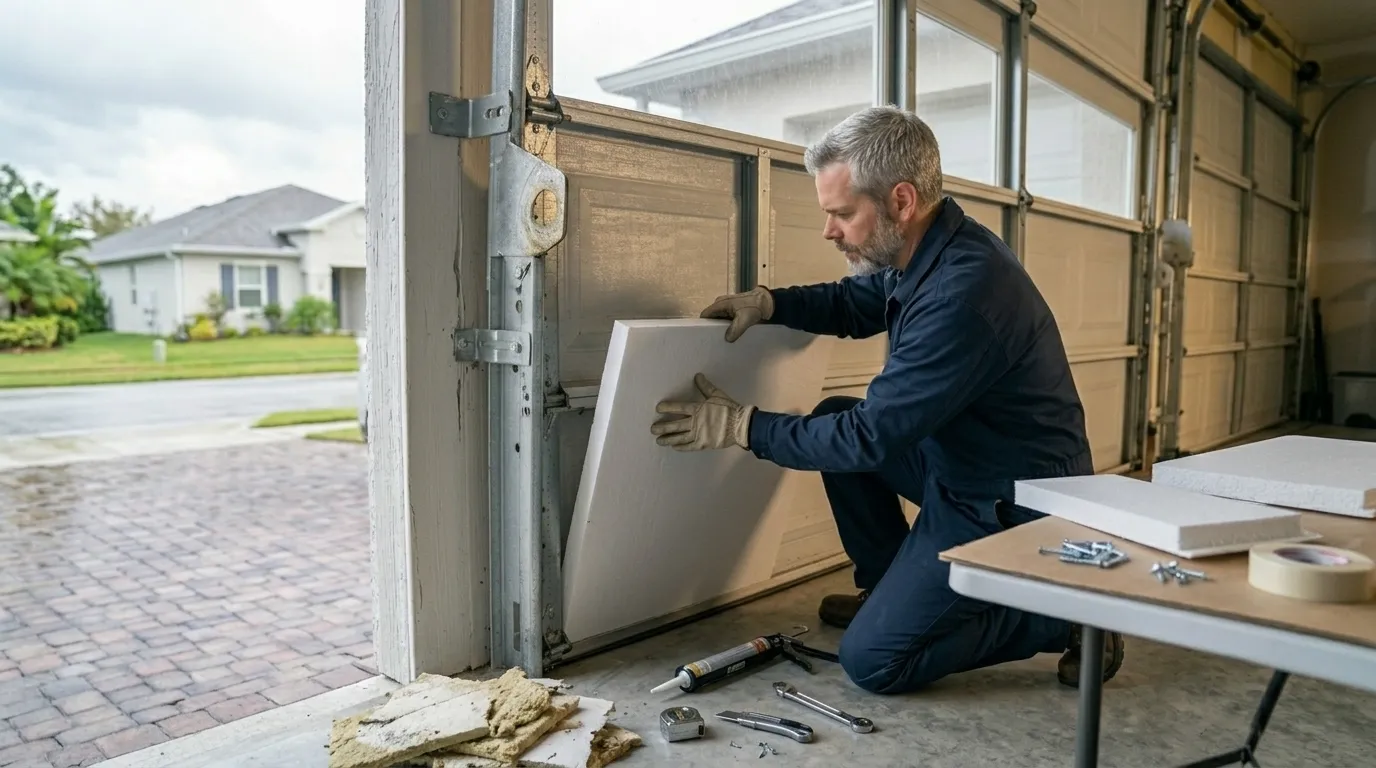
Garage Door Repair
Springs, cables, tracks, rollers, and openers fixed by a tech who explains the problem before touching anything.
Learn more →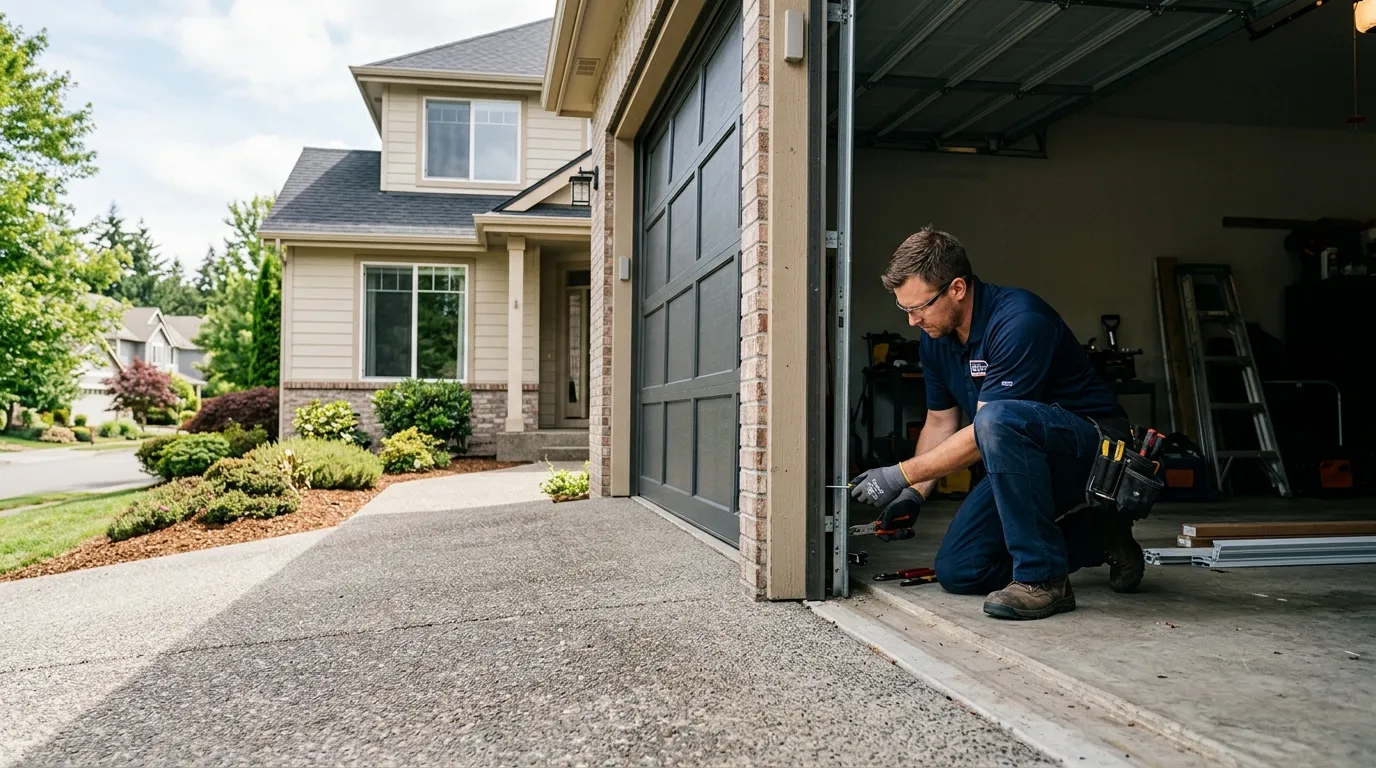
Garage Door Installation
New sectional doors sized and installed for the housing stock actually built in this area.
Learn more →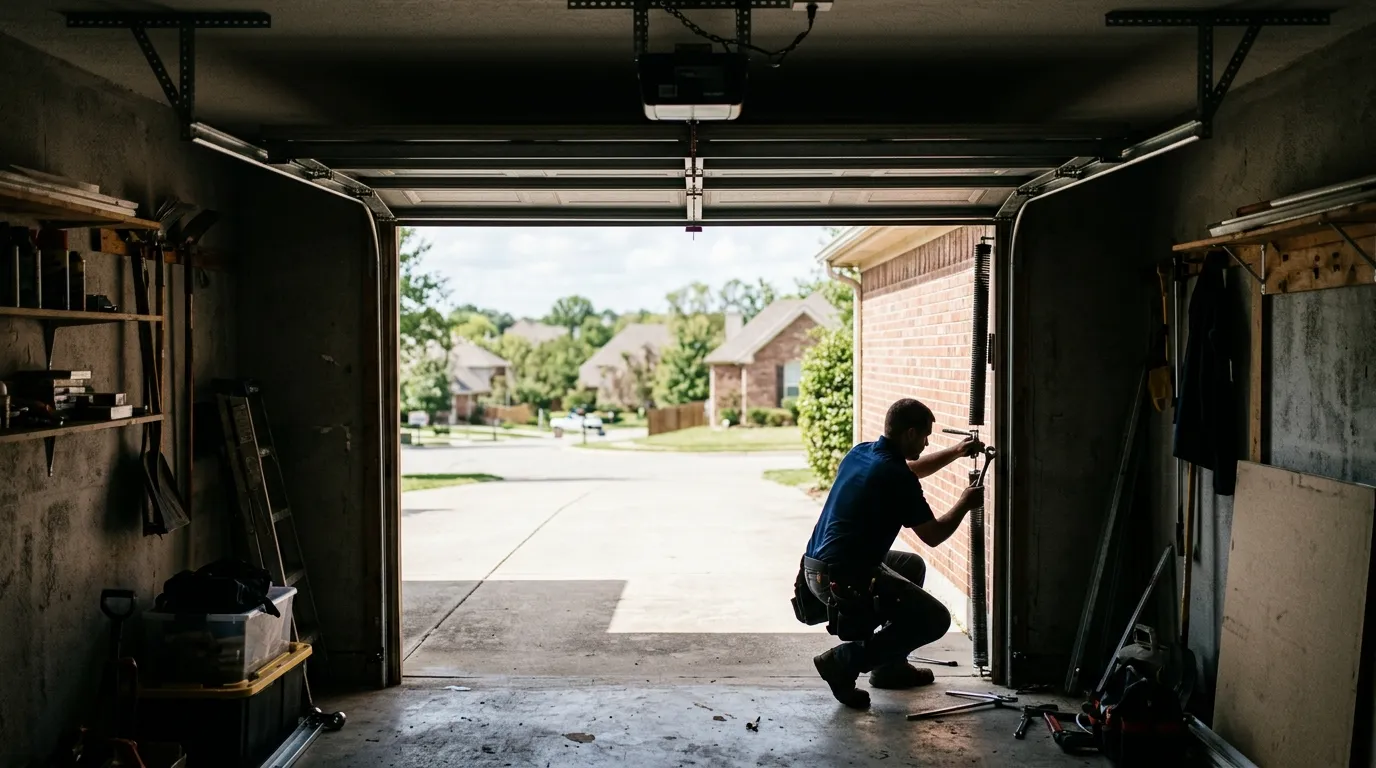
Garage Door Service
Tune-ups, lubrication, and safety checks that catch a small problem before it becomes a service call.
Learn more →Frequently Asked Questions
How do I know if my garage door is original to my Williamsburg house?
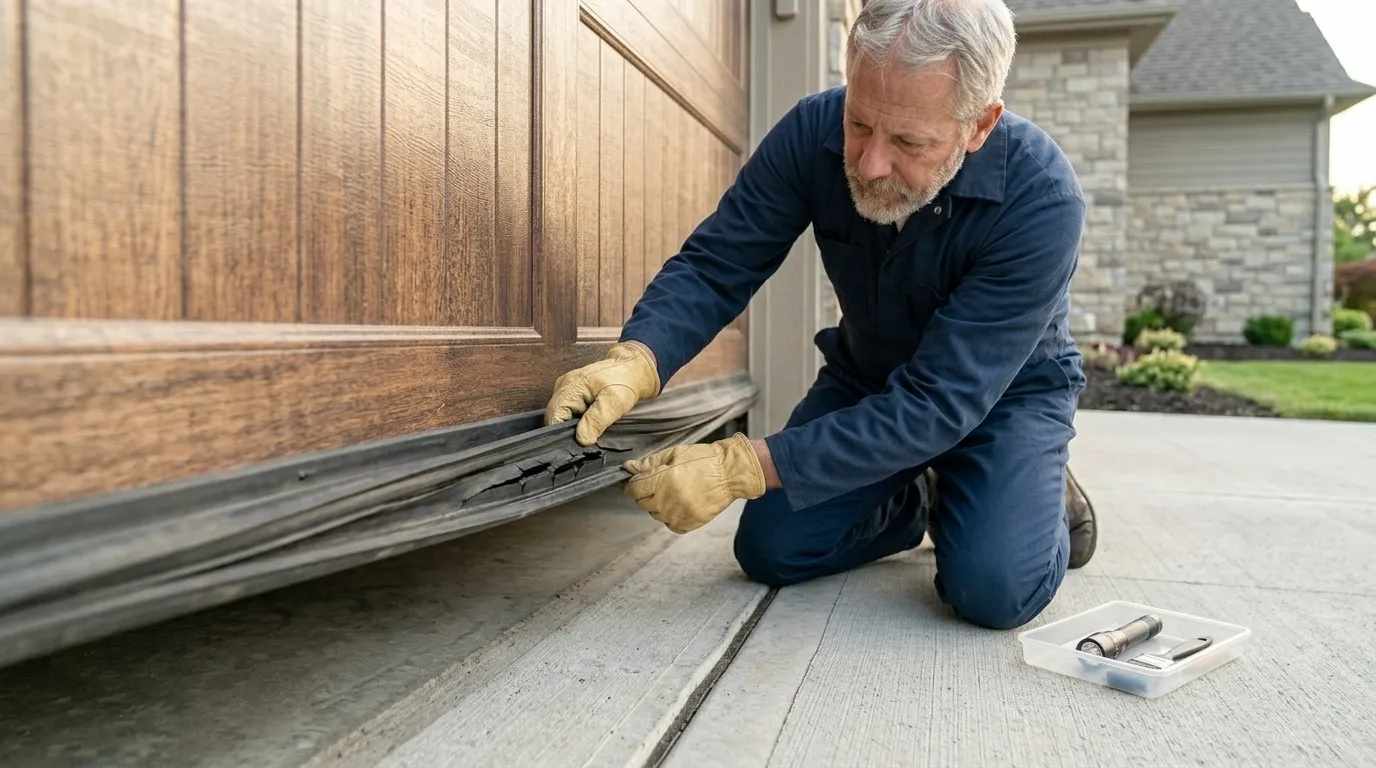
Tap the panel. Original doors from the 1948-1983 building era are single-skin steel with no foam core, so they sound hollow and feel cold. Check for a vinyl astragal at the bottom seam too - original doors from this period usually don't have one, just bare steel meeting the slab.
Does Williamsburg's cold-moderate climate really affect garage door springs?
Yes. The seasonal temperature swing here stiffens torsion springs over time and drives condensation on uninsulated panels, which is what causes rust along hinges and the bottom edge. Springs on original 1960s-70s doors tend to fail on the first cold snap after months of light use.
Will a new insulated door fit my old opening?
Not always without work. Houses built before 1983 were often framed to openings sized differently than today's standard doors, so a straight swap can need custom framing rather than an off-the-shelf unit. We check the opening dimensions before quoting anything.
Have a Door That Needs a Second Opinion?
Call and describe what it is doing - we will tell you what it likely is.