
Williamsburg Garage Door Guide
What Actually Happens When We Show Up
Homes across Williamsburg went up mostly between 1948 and 1983, and that vintage shapes what a garage door service call actually finds and fixes here.
- Licensed & Insured
- Same-Area Service Calls
- Upfront Pricing
What to Look At First
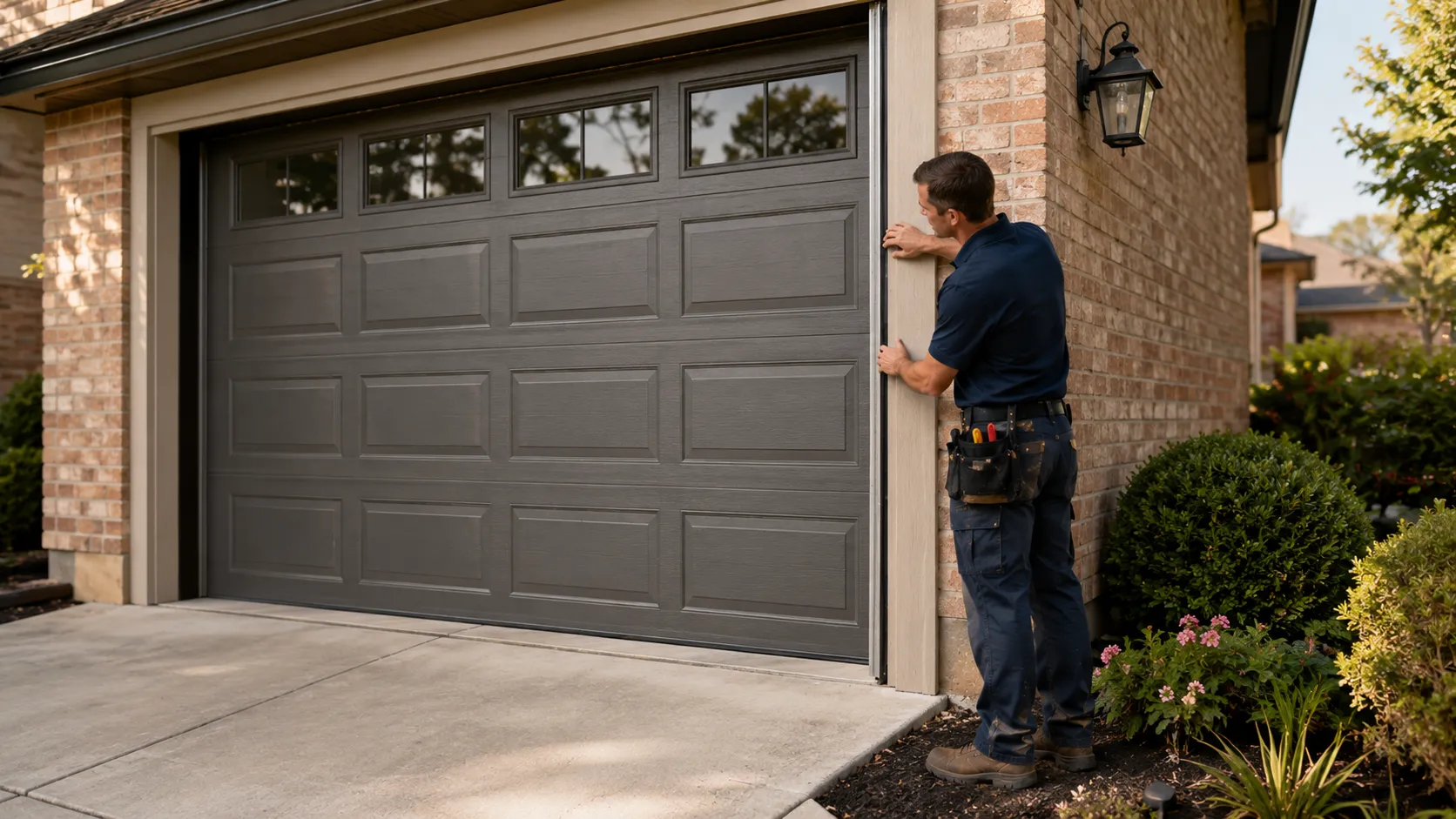
When we pull up to a house in Williamsburg, the first thing we check is the door's age against the house. Most homes in this service area were built between 1948 and 1983, with the bulk of that stock going up in the 1960s and '70s across the five neighborhoods we cover most. That means original torsion or extension spring hardware that hasn't been swapped since installation, and side rails sized for lighter single-layer wood or early steel doors, not the insulated double-layer panels sold today.
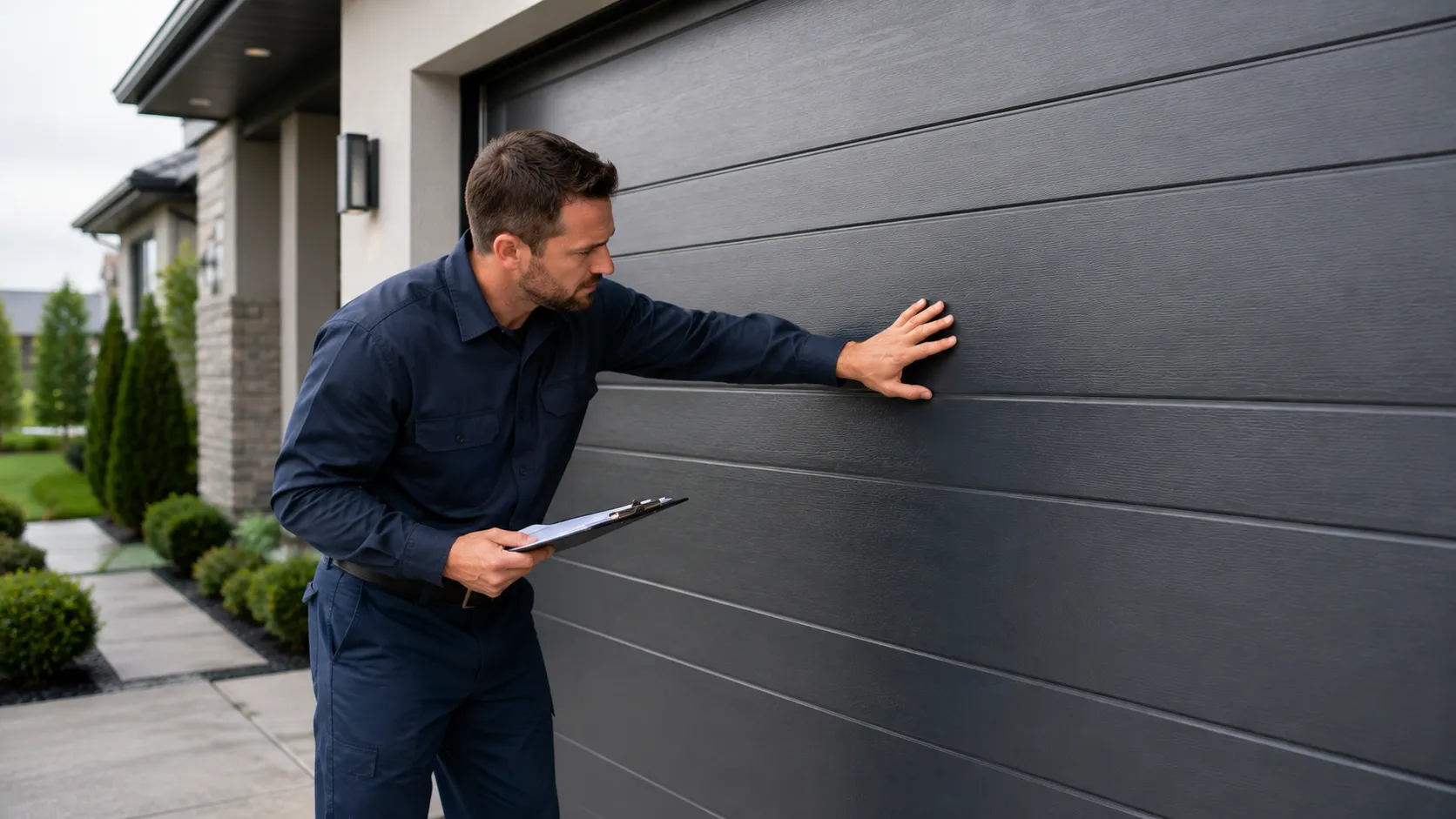
We check spring wind, track alignment, the header bracket, and whether the opener - if there is one - was bolted onto framing that predates most current opener models by decades. On a lot of these houses the garage was an afterthought addition, so the header isn't always square to the door itself. We also look for rot at the bottom panel and rust bleed at the hinges, both common on doors nobody has touched since the house went up.
None of this is a driveway glance. It's five minutes with a flashlight before a tool comes out, because guessing at spring type on a house this age is how a tech gets hurt.
The Problem
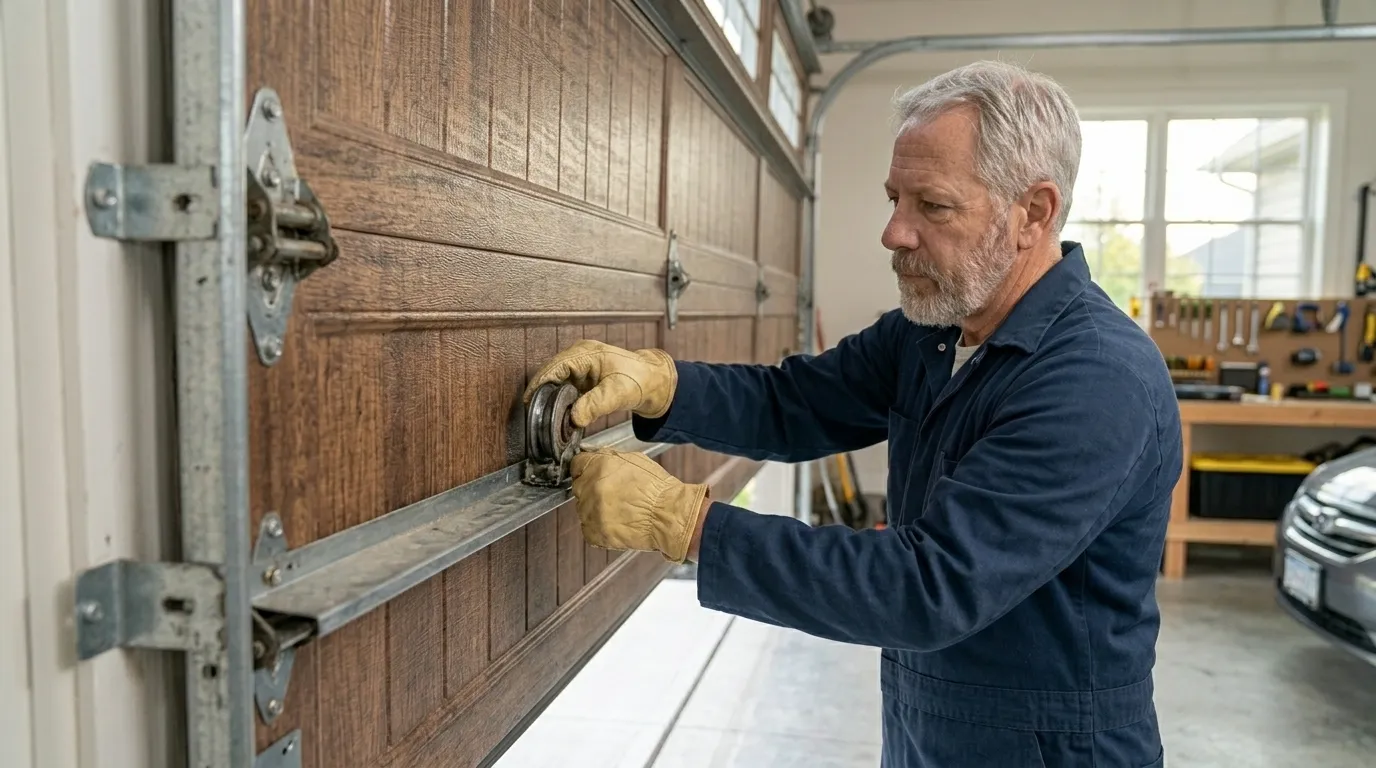
On the 1960s and '70s builds that make up most of this area, the failure we see over and over is a stretched or snapped extension spring paired with frayed galvanized lift cables - hardware that was standard for that construction window but hasn't been made the same way in years. The cable sheave often shows grooving from decades of the same wear pattern, and the pulley bracket has usually loosened at the same header point every time. On the smaller number of newer torsion-converted doors, we more often find a worn end bearing plate rather than a spring failure, because torsion setups distribute stress differently.
Either way, the door usually isn't broken from one bad day - it's the accumulated wear of a door doing the same job on the same hardware since the house was built. We won't force a repair onto hardware that's past matching; if the drum, cable, or track is the era-specific size and nobody stocks it anymore, we say so up front rather than jury-rig a fix that fails again in six months.
What Local Conditions Do
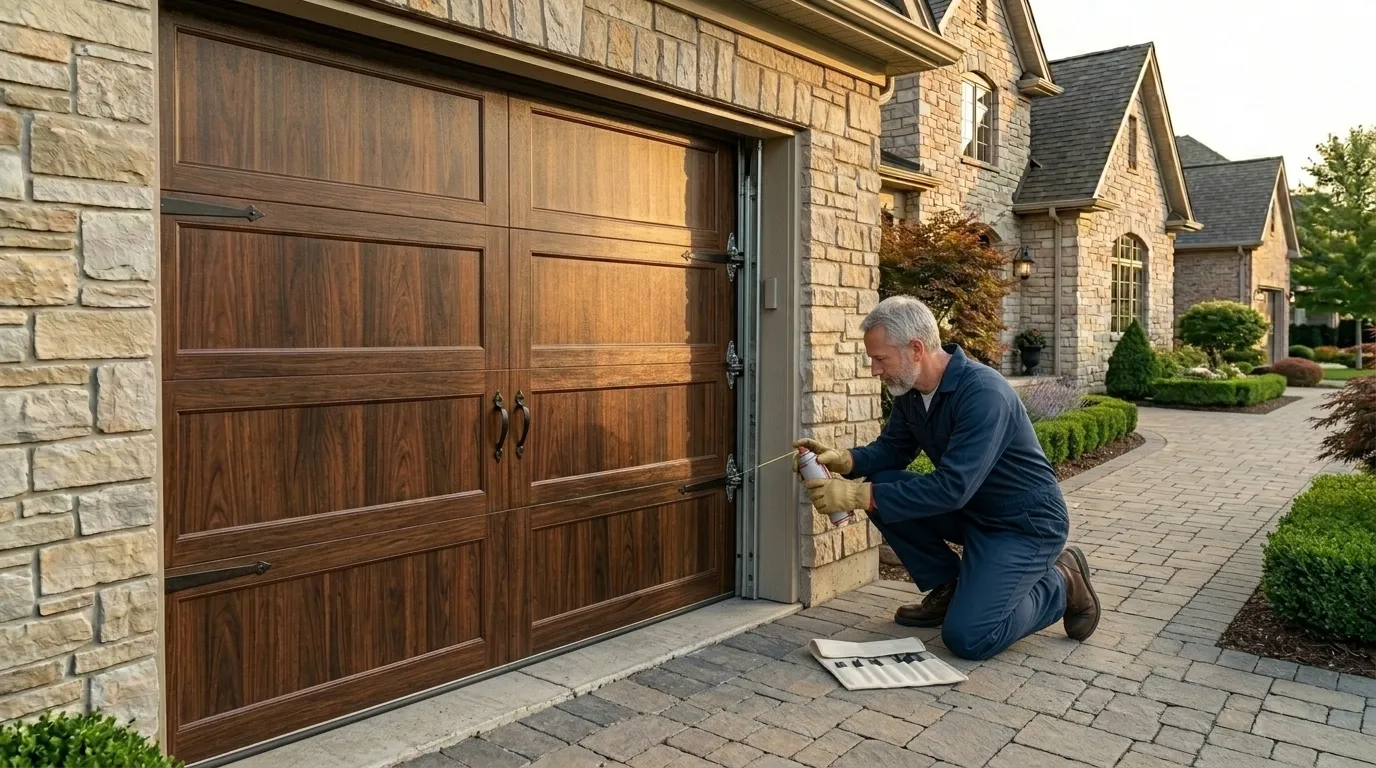
This part of Virginia sits in a cold-moderate band, which means the door hardware goes through real freeze-thaw cycling most winters without the deep-freeze extremes that would demand different lubricant or steel gauge. What that cycling does, on hardware from the 1948-1983 build window, is stiffen old grease inside the spring coils and torsion tube, so a door that ran quiet in October starts grinding by January. Metal contracts a little in cold and expands back in spring humidity, and on tracks that were never plumb to begin with - common on the additions we mentioned - that seasonal movement is enough to walk rollers out of the channel.
Wood-panel doors from this era also take on moisture in humid stretches and swell at the bottom panel, which is why a door that closed flush in June can bind at the same spot every winter. None of this is dramatic weather damage. It's slow, repeatable seasonal stress on hardware that's already decades past its expected service life, and it's why the same houses tend to call back on a yearly cycle.
The Cost of This Job
We're not going to hand you a number here we can't back up - pricing on a torsion spring set, a cable run, or a full opener swap depends on what's actually on the door once we're standing in front of it, not on the neighborhood. What we can say is that this service area is mostly owner-occupied: of roughly 5,281 households, about 3,041 are owner-occupied houses, and median household income sits around $74,009. That matters less for setting a price and more for how we quote - most of the calls we run are homeowners deciding between a targeted repair and a full replacement on a door original to a house built decades ago.
If the drum or track hardware is era-specific and no longer stocked, replacement can end up cheaper than sourcing a match. Parts availability, not distance, is usually the real driver of turnaround, since Yorktown, Hayes, and Gloucester Point are all within about eleven to twelve miles for a supply run when something isn't on the truck.
How We Can Help
Garage Door Repair
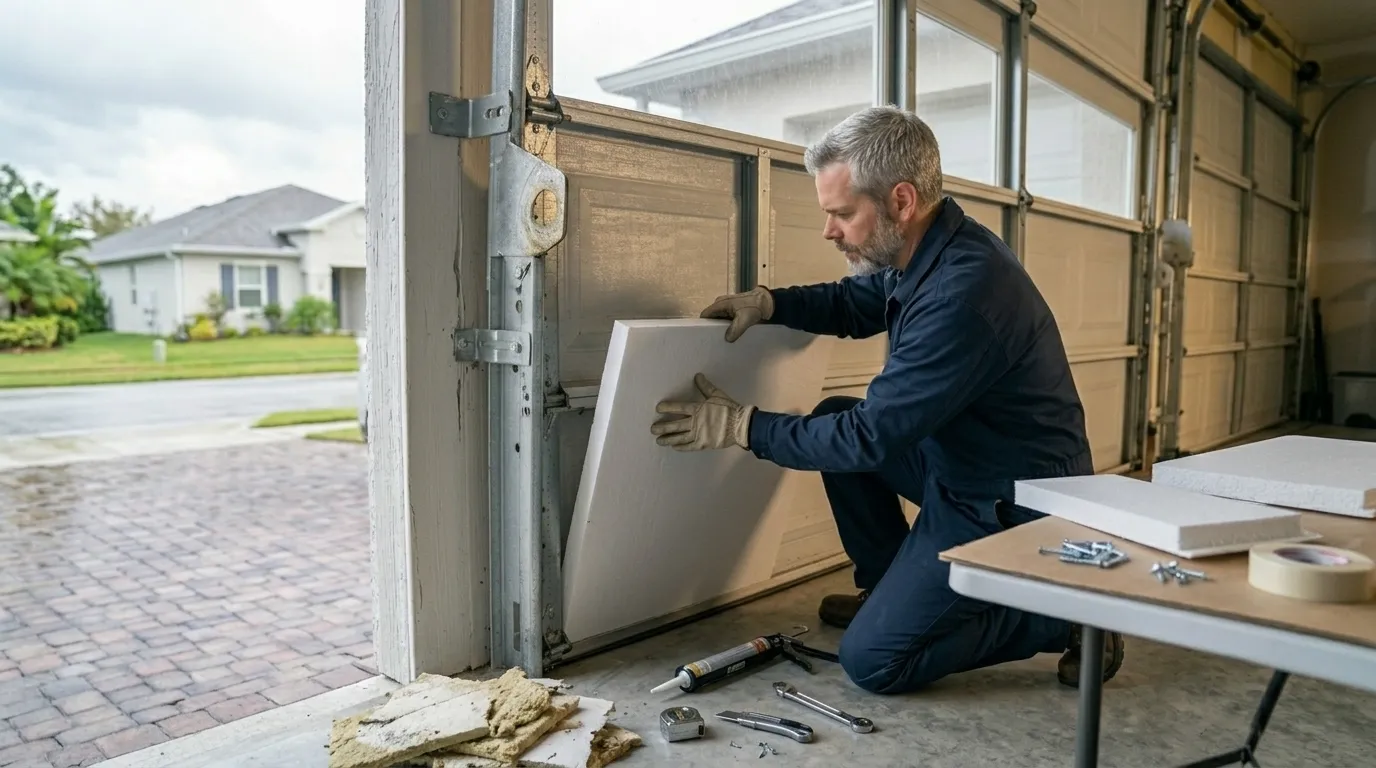
Springs, cables, tracks, rollers, and openers fixed by a tech who explains the problem before touching anything.
Learn more →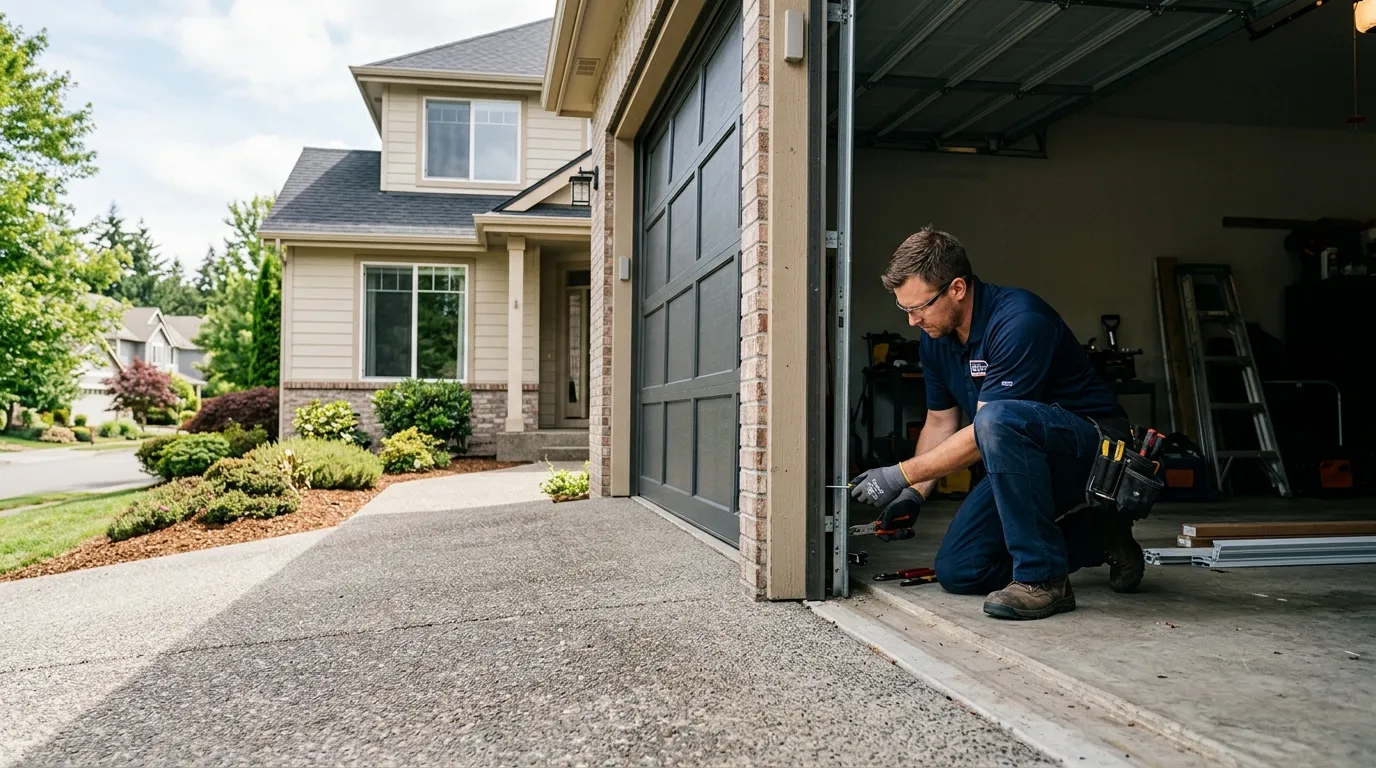
Garage Door Installation
New sectional doors sized and installed for the housing stock actually built in this area.
Learn more →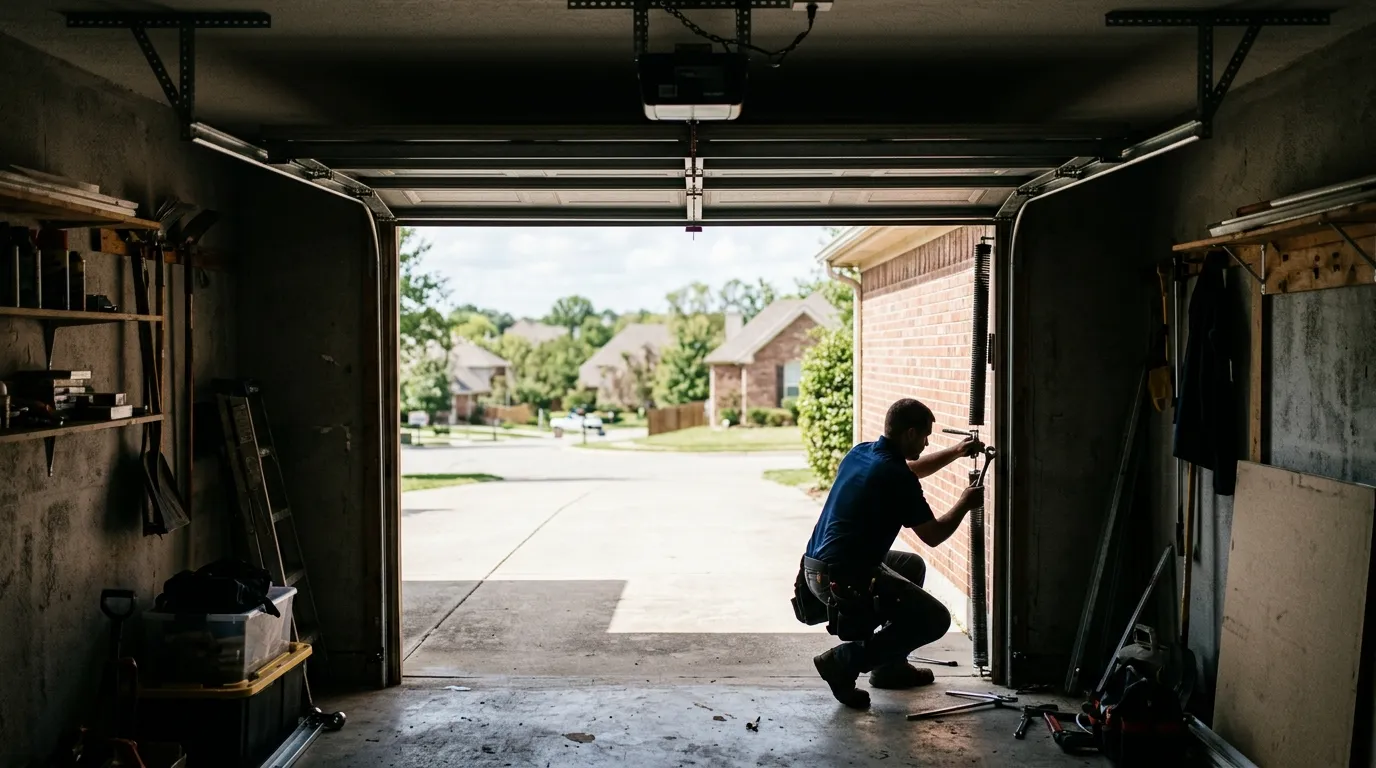
Garage Door Service
Tune-ups, lubrication, and safety checks that catch a small problem before it becomes a service call.
Learn more →Frequently Asked Questions
Why does my door only stick in winter?
On houses in this area built mostly between 1948 and 1983, cold-moderate winters stiffen old spring grease and shrink track alignment that was never perfectly plumb to begin with. A door that runs fine most of the year can start binding at the same spot every January as the metal contracts. It usually points to hardware overdue for lubrication or a track adjustment, not a new problem.
Is it worth repairing a door this old or should I replace it?
Depends on what's failing. If it's a spring or cable on a door frame that's still square, repair usually makes sense. If the track or drum hardware is sized for the original 1960s-70s installation and isn't stocked anymore, sourcing a match can cost more than replacing the door outright. We'll tell you which situation you're in before we start.
How far out do you go for parts if something's not on the truck?
Not far. Yorktown, Hayes, and Gloucester Point all sit around eleven to twelve miles out, so a supply run for an odd spring size or bracket is usually a short trip, not a multi-day wait, unless it's a discontinued part specific to an older door.
Have a Door That Needs a Second Opinion?
Call and describe what it is doing - we will tell you what it likely is.