
Service
Garage Door Cable Repair Around Williamsburg
Frayed or snapped garage door cables are common on Williamsburg's 1960s-70s housing stock. Here's what causes it and what the repair actually involves.
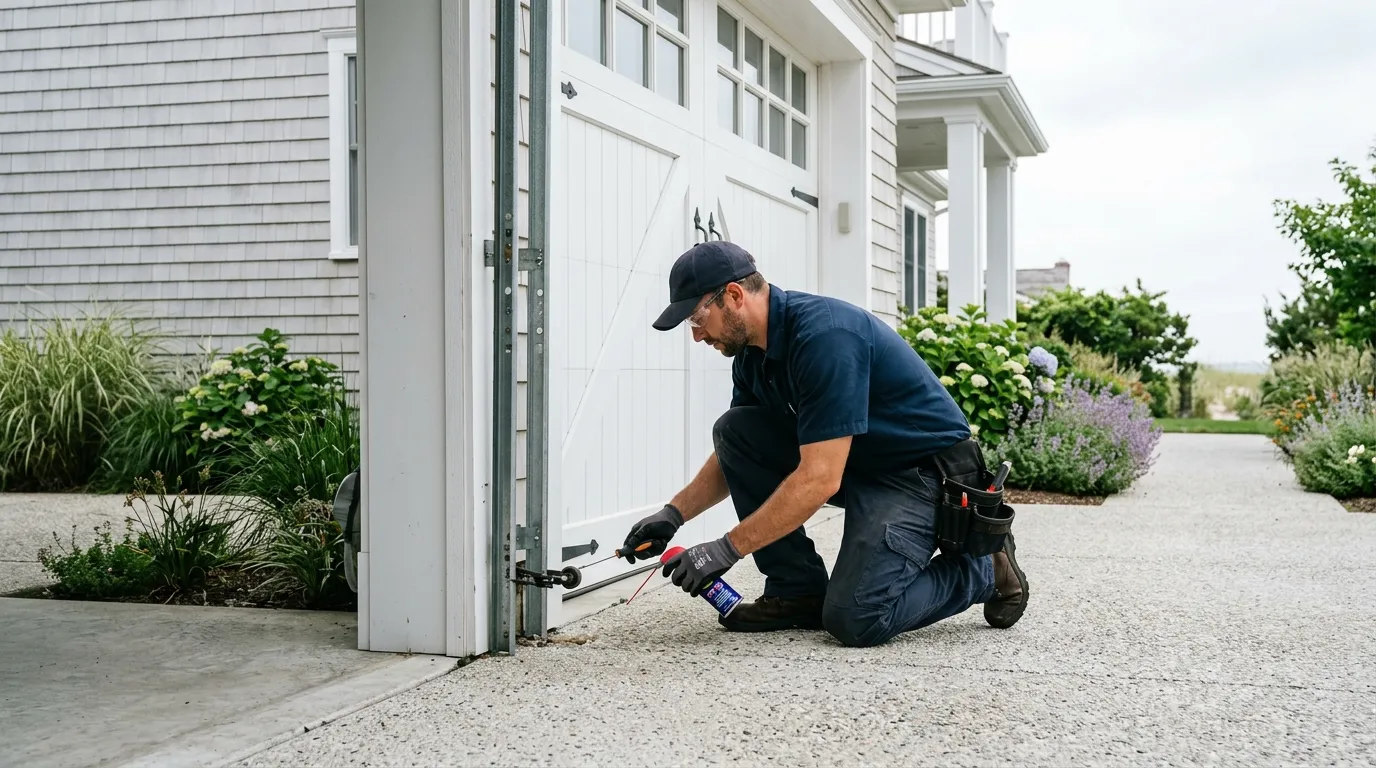
What Happens When You Call
-
1
Call or Request a Quote
Tell us what the door is doing and roughly how old the house is - that alone points us toward the likely part before a truck leaves.
-
2
On-Site Diagnosis
A tech checks the spring, cables, tracks, and opener in person and tells you plainly what is actually wrong.
-
3
Straight Price, No Surprises
You get a number before any work starts. It covers parts and labor, nothing added after the fact.
-
4
Fixed the Same Visit
Most repairs are done in one trip. If a part needs sourcing, we tell you that upfront instead of guessing.
What You Are Seeing
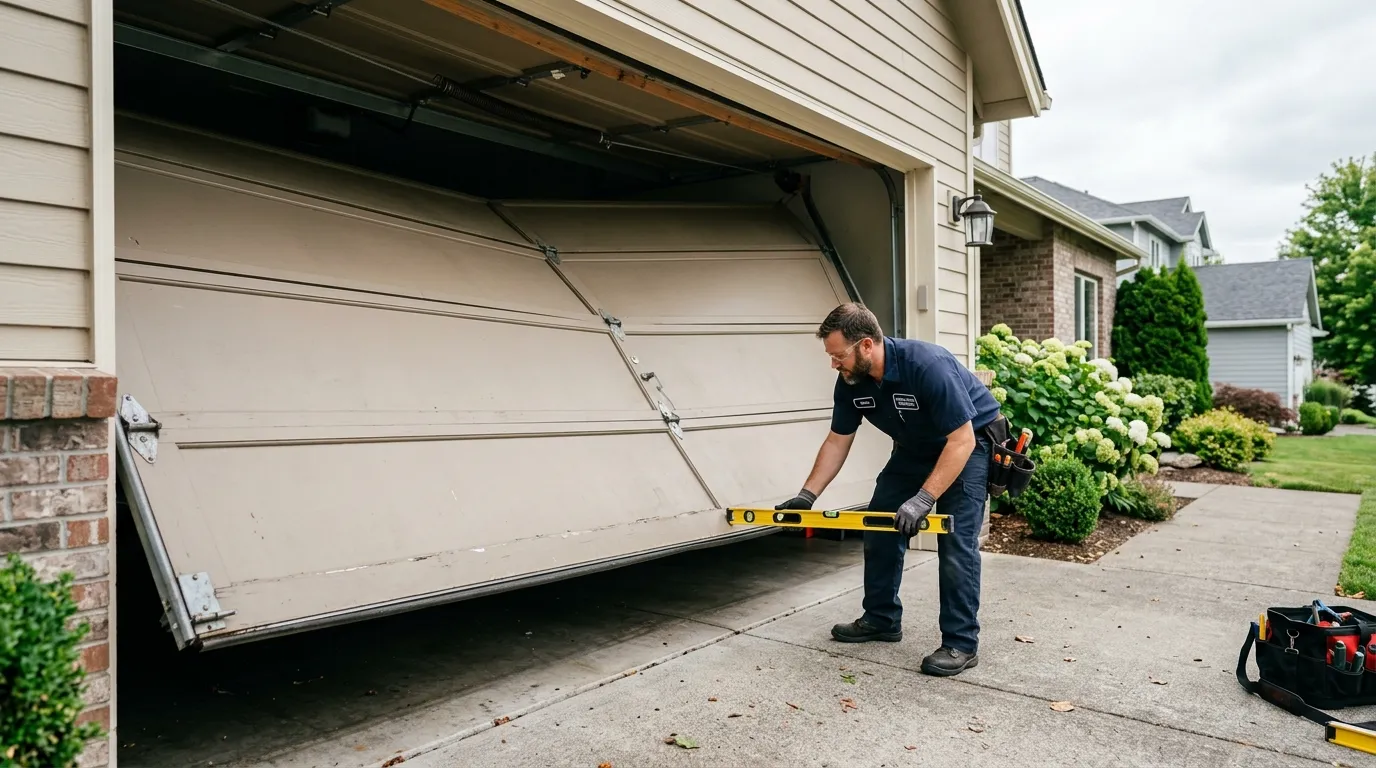
A garage door that drops crooked, hangs at an angle, or won't budge past a few inches usually points to a cable problem, not a spring problem, though the two get confused all the time. Look at the bottom corners of the door. If one side sags lower than the other, or if you can see a thin braided cable hanging loose or frayed near the bottom roller bracket, that's your cable.
Sometimes it snaps clean and the door slams down on one side with a bang you hear from inside the house. Other times it frays slowly - individual strands popping loose - and the door gets harder to lift week by week until it finally lets go.
The cables run from the bottom corners of the door up to the drum on the torsion shaft, and they're under real tension whenever the door is down. When one fails, the spring on that side has nothing to transfer its force to, so the door either won't move or moves unevenly and can jump the tracks. Don't try to force it open with the opener - that's how a track bends or a panel cracks on top of the cable failure you already have.
Why It Happens Here
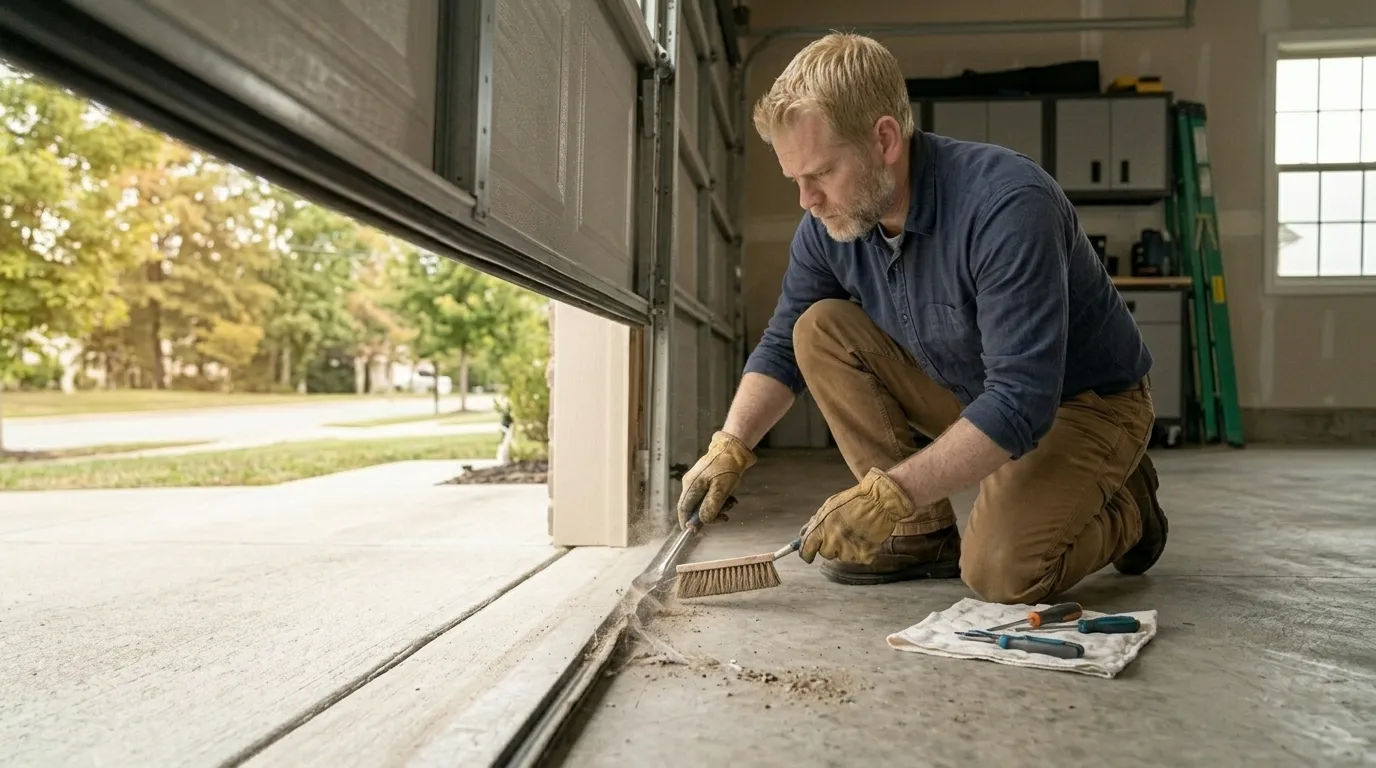
Most of the housing in this area went up between 1948 and 1983, with a lot of it built in the 1960s and '70s across the five main residential sections we work. Doors and hardware from that era, or replacement doors installed decades ago on that original track and drum setup, have had a long time to accumulate wear on the lift cables. Cable is a wear part everywhere, but it wears faster on older galvanized cable that's never been swapped, and a lot of homes here are still running original or first-generation replacement cable.
The climate here is cold-moderate, not brutal, but it still swings through freeze-thaw cycles most winters. That kind of swing matters for cable life because condensation and ice on an unheated garage's hardware corrodes the strands from the inside, where you can't see it happening until one gives out.
A cable that looks fine on the outside can be rusted through at the drum end. Combine 40-plus-year-old track geometry with a cable that's seen forty winters of freeze and thaw, and a snap on a cold morning isn't bad luck - it's the expected outcome.
What the Fix Involves
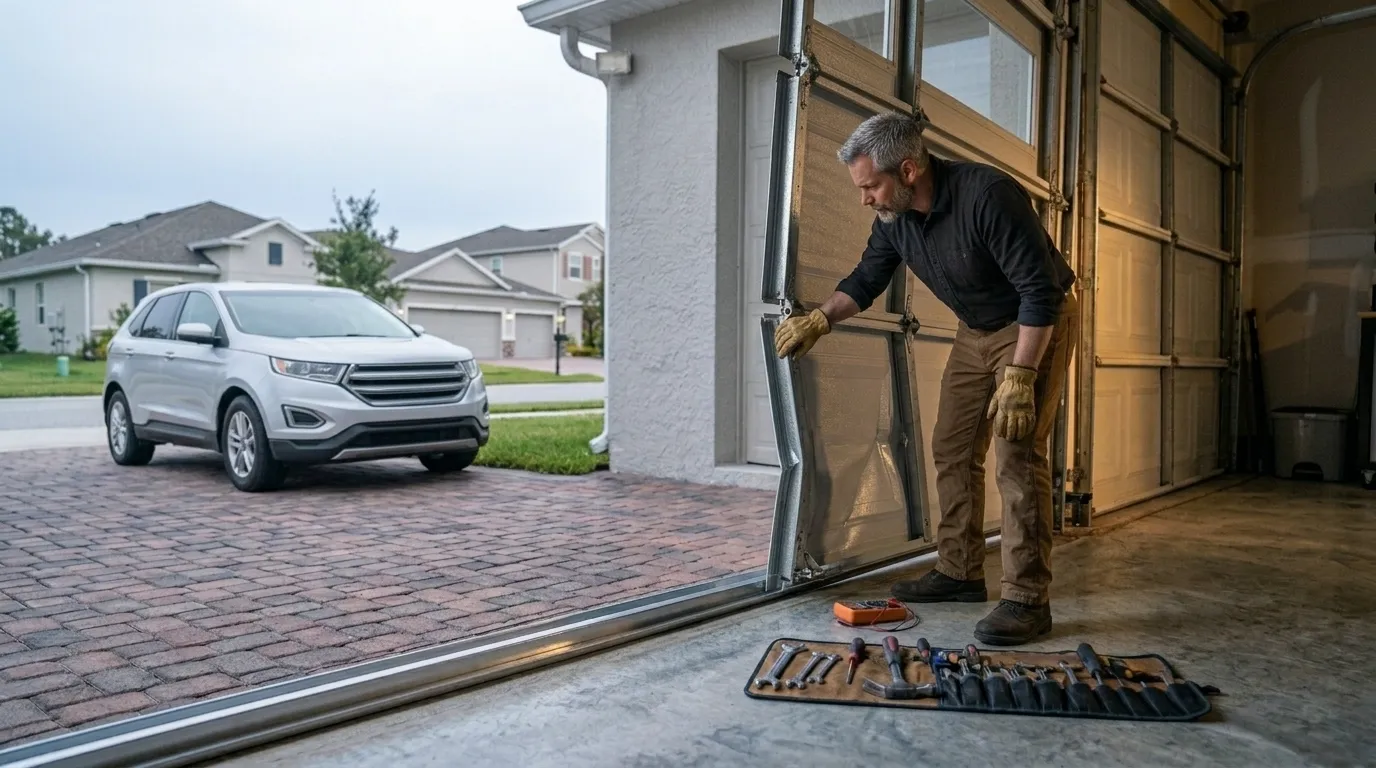
Cable repair is a spring-tension job before it's a cable job. Both cables get replaced as a set, even if only one broke, because if one has failed from age or corrosion, the other is close behind and running it a few more months just sets up a second call. The spring on the affected side has to be unwound safely, the old cable pulled off the drum and pulled through the bottom bracket, and the new cable seated and re-tensioned so both sides of the door lift evenly.
While the door's apart, we check the bottom brackets, the rollers, and the track alignment, since a cable failure sometimes bends a bracket or knocks a roller out of its track on the way down. If the drums themselves are grooved or worn from the old cable, those get flagged too - a new cable on a chewed-up drum will just fail again sooner.
This isn't a five-minute fix. Expect the tech to be on site long enough to do the tensioning right, because a cable job that's rushed comes back.
The Cost of This Job
We don't publish a flat number for cable repair here because the honest range depends on things we can't know until we're looking at the door: whether it's a single cable or a set, whether a drum needs replacing, whether the spring itself is also near the end of its life, and whether the bracket or roller got damaged when the cable let go. A straightforward two-cable replacement on a door that's otherwise sound is a different job than one where the drum's chewed up and a roller's bent.
What we can tell you is that replacing both cables together, even when only one failed, costs less over time than two separate visits a few months apart. If your door is original to a house built in the 1960s or '70s, ask about the drums and rollers while the tech is there - on hardware that old, it's often the difference between one job now and a second one next winter.
Talk to a Technician Before You Book
Describe what the door is doing and get a straight answer on what it likely needs.
Jobs Like Yours
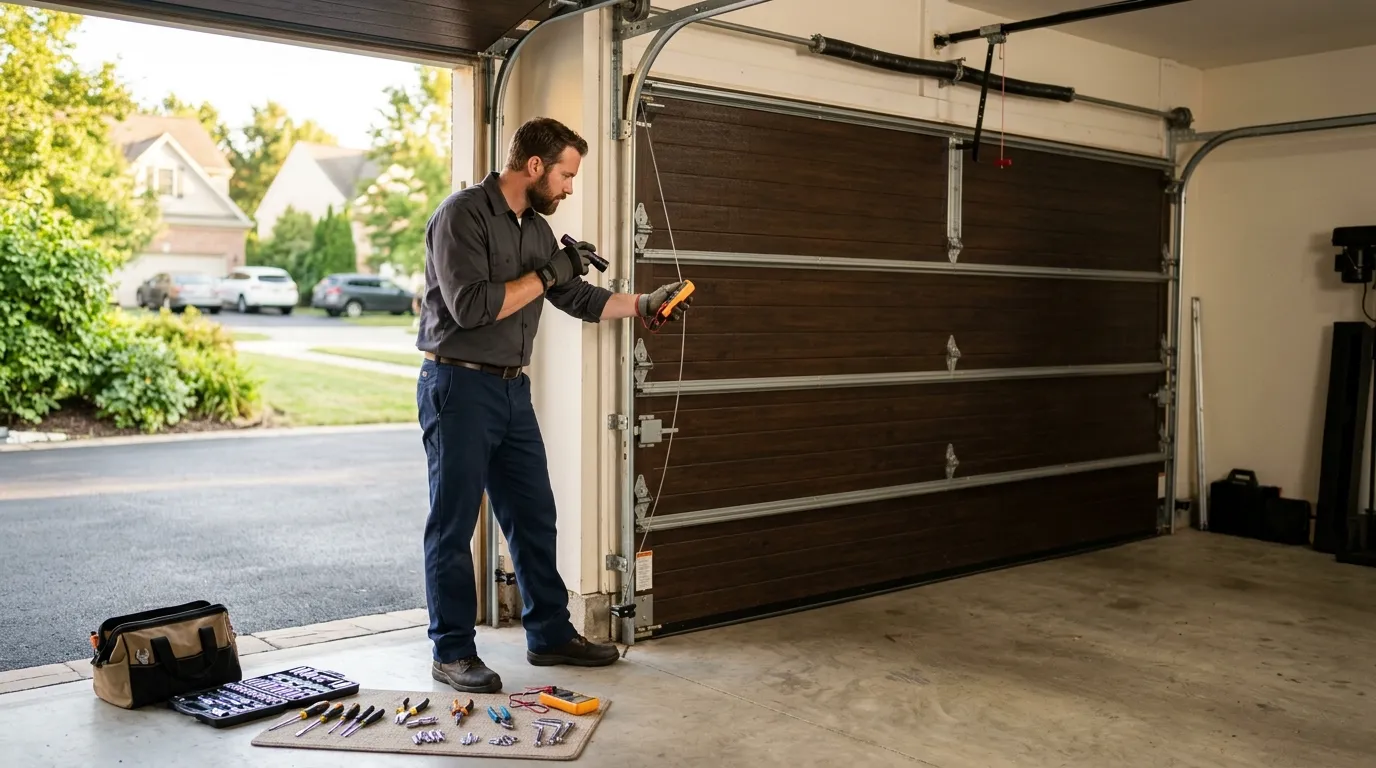
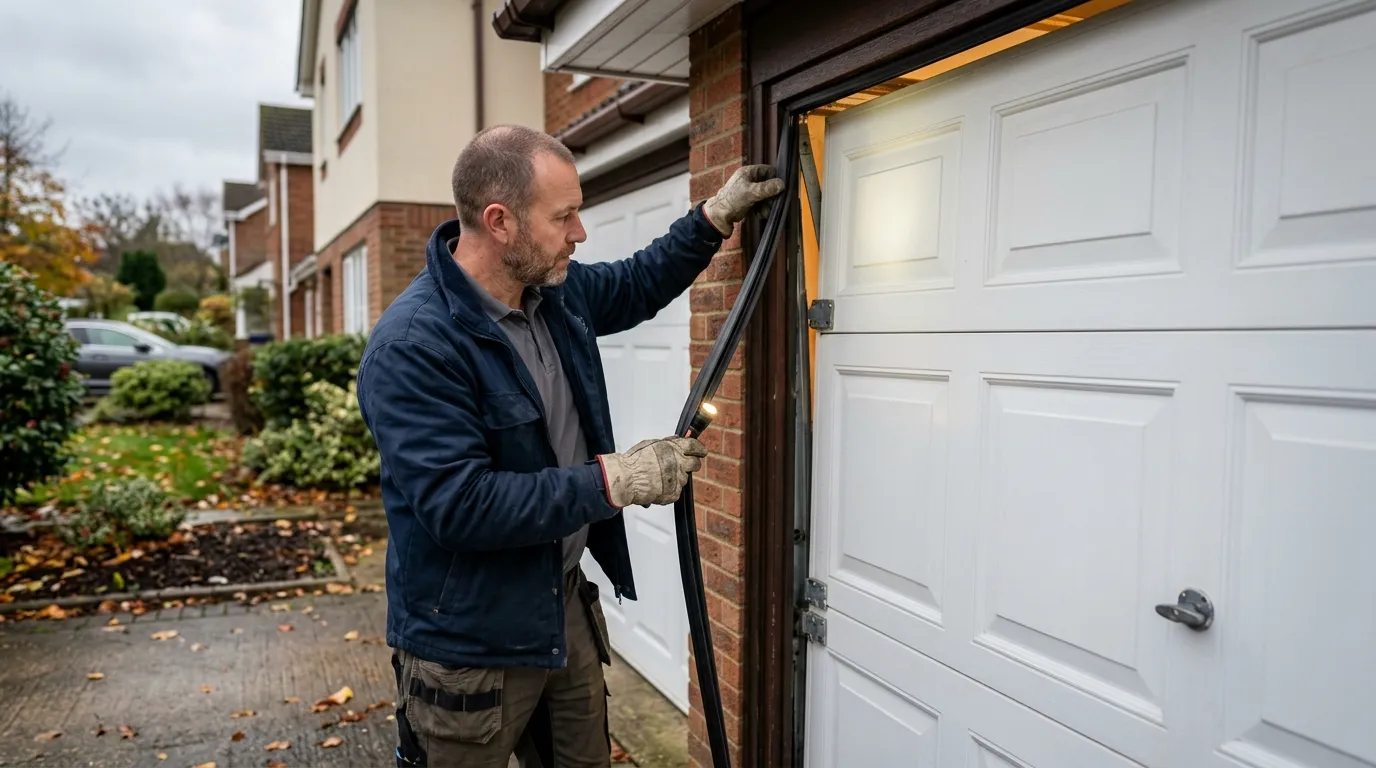
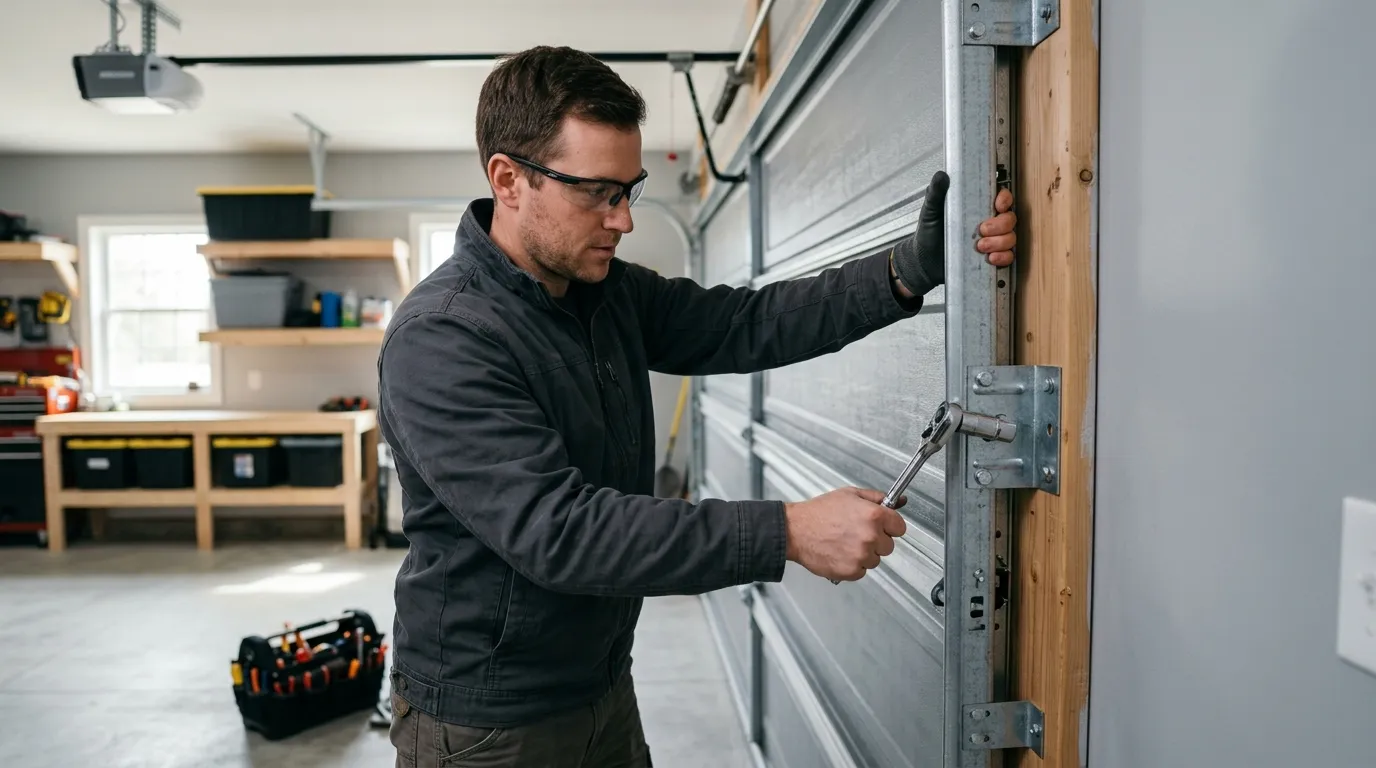
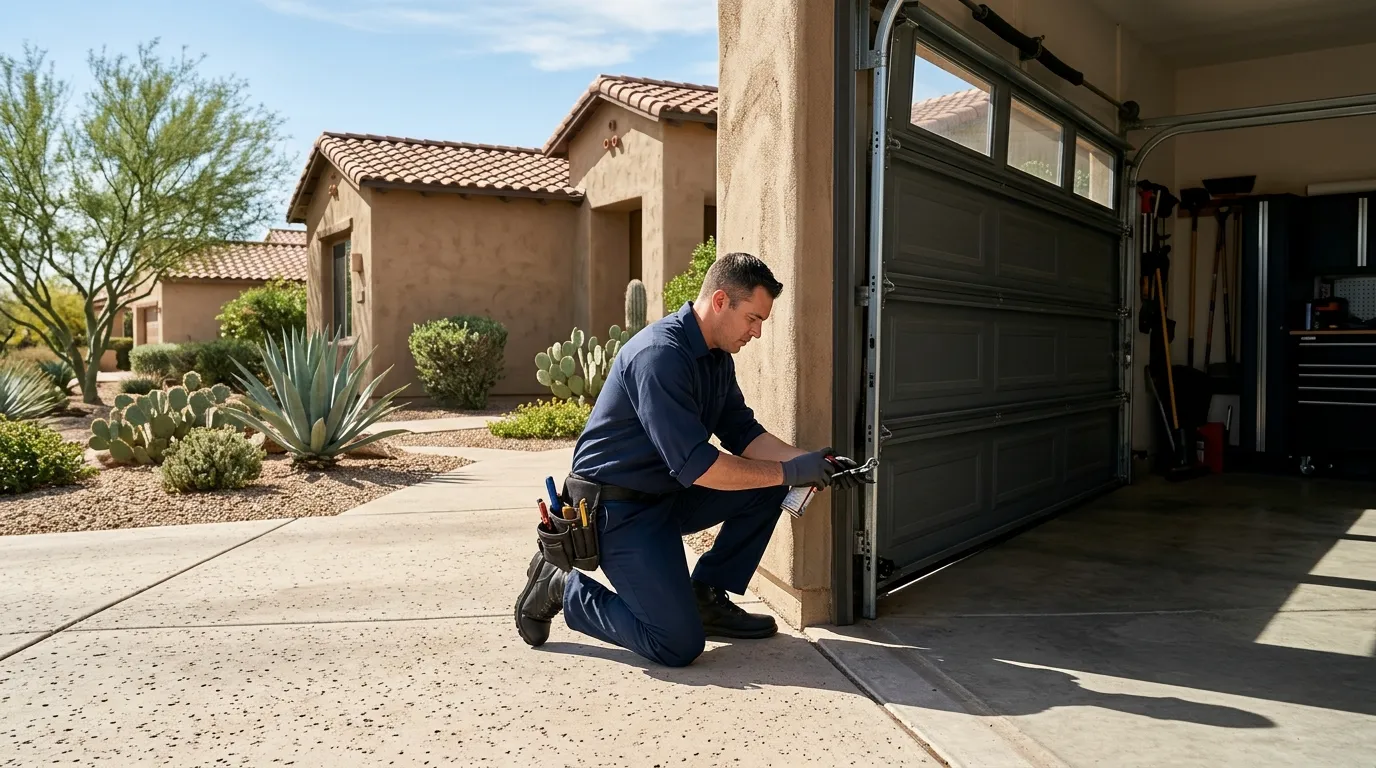
Recent work from this service line.
Why Williamsburg Calls Us
Frequently Asked Questions
Why did my garage door cable snap without warning?
It usually didn't snap without warning - it just frayed somewhere you couldn't see, often at the drum end inside the garage. On older hardware, especially cable that's original to a house from the 1960s or '70s, corrosion from freeze-thaw condensation eats the strands from the inside. The last strand giving out is the only part that looks sudden.
Can I drive on a garage door with a broken cable?
No. With one cable gone, the spring on that side has nothing to pull against, so the door hangs unevenly and can jump the track or drop suddenly if you force it with the opener. Leave it down or up wherever it stopped, and don't run the opener until it's fixed.
Do you replace one cable or both?
Both, as a set, even if only one has broken. Cables age together, and if one has failed from wear or corrosion, the other is usually close behind. Replacing just the broken one means a second service call within months, which costs more overall than doing the pair now.
Is a broken cable the same repair as a broken spring?
No, though they can look similar and sometimes happen together. A cable is the wire that runs from the door to the drum on the torsion shaft; a spring provides the lifting force. A cable job means unwinding the spring safely to get at the drum, but the spring itself may be fine and stay in place.
Need Garage Door Cable Repair Around Williamsburg?
Call now for straight answers on cost and timing.